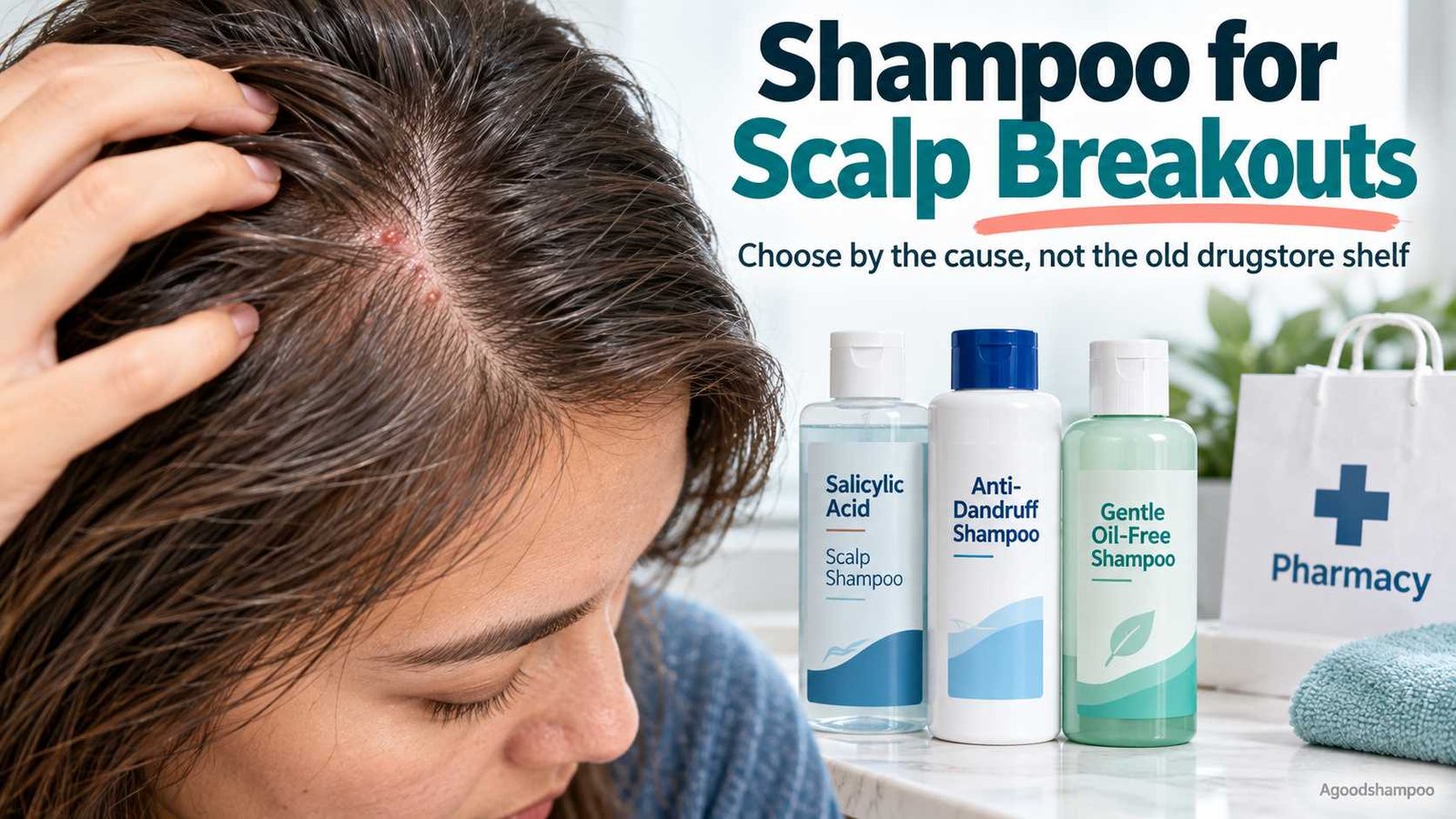
 A shampoo with 3% salicylic acid is one example of a medicated scalp cleanser sold for problems involving flakes and scalp buildup, but that does not mean every bump on your head needs salicylic acid. The right shampoo for scalp breakouts depends on whether you are dealing with oily product buildup, dandruff-related inflammation, folliculitis, irritation, or another scalp condition. The current Neutrogena T/Sal label, for example, lists 3% salicylic acid and identifies dandruff, seborrheic dermatitis, and psoriasis as its purposes rather than scalp acne specifically.
There is also an important update hidden inside the search phrase A Good Shampoo For Head Break Out Rite Aid. Rite Aid is no longer a normal U.S. drugstore shopping option. The company had about 1,275 stores when it entered bankruptcy proceedings in May 2025, and all of its locations had closed by October 2025. If an older search result tells you to walk into Rite Aid and pick up a particular shampoo, that advice is now outdated.
What still matters is the product decision behind the search: which kind of shampoo makes sense when your scalp keeps breaking out?
What Kind of Shampoo Makes Sense for Scalp Breakouts?
There isn’t one universal shampoo for every scalp pimple. Cleveland Clinic lists several product types that may be useful for scalp acne depending on the cause, including salicylic acid, selenium sulfide, ketoconazole or ciclopirox, benzoyl peroxide, antibacterial cleansers, and oil-free hair products.
That variety matters because bumps that look similar can come from different problems.
| What you notice | Shampoo approach worth considering | Main limitation |
|---|---|---|
| Oily scalp with buildup and clogged-feeling bumps | Salicylic acid shampoo | Can be drying, especially on dry or curly hair |
| Flaking, oiliness and itching | Anti-dandruff shampoo such as selenium sulfide | Treats dandruff-related conditions, not every form of acne |
| Repeated small itchy follicle-centered bumps | Antifungal shampoo may be considered | Folliculitis has several causes and may require diagnosis |
| Breakouts around the hairline after styling products | Gentle oil-free or non-comedogenic routine | The styling product, not the shampoo, may be the real problem |
| Painful, spreading or persistent bumps | Medical assessment | Changing shampoo alone may not be enough |
The American Academy of Dermatology also points out that hair products themselves can trigger breakouts. Oils from shampoos, conditioners, pomades, styling gels, waxes and sprays can contribute to clogged pores around the hairline, forehead, or back of the neck. Dermatologists sometimes call this acne cosmetica.
So before buying a stronger medicated shampoo, look at the entire routine. A heavy scalp oil, greasy pomade, leave-in conditioner applied to the roots, or styling wax may be undoing whatever your shampoo is trying to accomplish.
Salicylic Acid Can Help With Buildup, but It Is Not a Diagnosis
Salicylic acid is a keratolytic ingredient. In simple terms, it helps loosen and remove excess dead skin from the surface. That can make it useful when flakes, scale, or scalp buildup are part of the problem.
Neutrogena T/Sal Therapeutic Shampoo is a useful example because its current U.S. drug label clearly states 3% salicylic acid. The directions say to massage it into the scalp, leave the lather on for several minutes, rinse, and repeat, with use at least twice weekly or as directed by a physician.
But here’s the important distinction: its official label identifies it as an anti-dandruff, anti-seborrheic dermatitis, and anti-psoriasis product. It should not be described as an FDA-labeled scalp-acne treatment simply because salicylic acid also appears in acne skin-care products.
For a person with oily roots and stubborn buildup, a salicylic-acid shampoo may make sense. If your scalp is already dry, irritated, tightly curled, bleached, or prone to breakage, stronger cleansing may make the hair lengths feel rougher. In that situation, keep the medicated shampoo focused mainly on the scalp and use appropriate conditioning on the lengths.
Anti-Dandruff Shampoo May Be Better When Flakes and Itching Come With the Bumps
A person searching for shampoo for head acne may actually have seborrheic dermatitis, dandruff, or another inflammatory scalp problem.
That is why anti-dandruff ingredients come up so often in discussions of scalp breakouts. Cleveland Clinic includes selenium sulfide and antifungal ingredients such as ketoconazole or ciclopirox among shampoo approaches that may be considered for scalp pimples.
The clue is usually the pattern rather than one isolated bump. Greasy scale, repeated flakes, itching, and widespread irritation point toward a different problem than a few clogged pores caused by a heavy styling product.
Acne-Like Bumps Can Actually Be Folliculitis
Folliculitis is another reason not to diagnose scalp acne by appearance alone.
The American Academy of Dermatology explains that folliculitis develops in hair follicles and can look like a sudden acne breakout. The bumps may itch or hurt, and some cases involve infection.
AGoodShampoo has a separate guide to shampoo options for folliculitis if your bumps seem more follicle-centered than typical clogged pores. There is also a closer look at tea tree shampoo and folliculitis, although tea tree products should not be treated as a substitute for appropriate treatment when infection is suspected.
Painful bumps, spreading redness, crusting, recurrent pustules, or lesions that do not improve deserve professional assessment rather than repeated experiments with stronger shampoo.
Hair Breakage, Hair Fall and Hair Growth Are Different Problems
Several searches around scalp shampoo also ask what shampoo is good for hair falling out, what is good for a bald head, or whether shampoo is good for hair growth.
Those questions need a different answer from scalp acne.
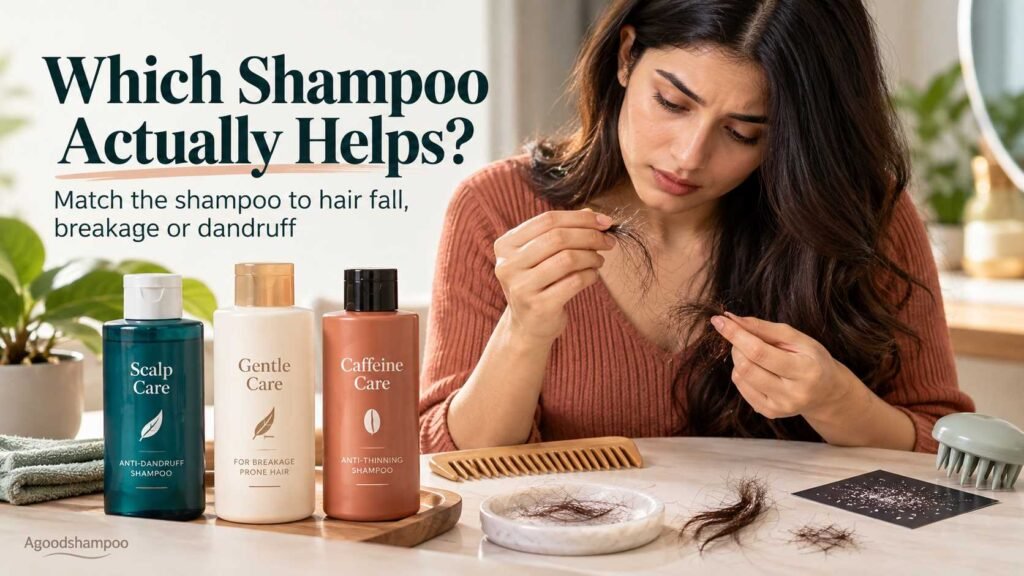
A shampoo can improve how hair fibers behave. Good cleansing can remove buildup. Conditioning ingredients can reduce friction and make strands easier to detangle. That may mean fewer hairs snapping during washing or brushing.
But less breakage is not the same as new hair growth.
Hair growth happens at the follicle. Pattern hair loss, sudden shedding, patchy loss, medication-related shedding and scarring scalp conditions cannot be reliably fixed simply by choosing a cosmetic shampoo marketed for growth.
If scalp inflammation appears together with unusual shedding or thinning, the combination matters more than the shampoo label. You can read the site’s separate guide to shampoo for scalp inflammation and hair loss for that specific problem.
A bald scalp also does not automatically need a special hair-growth shampoo. The goal is usually gentle cleansing, avoiding unnecessary irritation, controlling any diagnosed scalp condition, and protecting exposed scalp skin appropriately.
Products marketed for growing out hair may improve softness or reduce breakage, which can help someone retain length. They should not be described as proven follicle-growth treatments unless the finished product actually has evidence supporting that claim.
Curly or Gray Hair Changes the Shampoo Choice, Not the Cause of the Breakouts
Curly hair often needs more conditioning because sebum does not travel down tightly curved strands as easily and repeated strong cleansing can leave the lengths dry.
If a medicated scalp shampoo is needed, that does not mean every wash has to become a harsh full-length cleanse. Apply treatment where it is needed, usually the scalp, and condition the mid-lengths and ends according to your hair’s needs.
Someone asking what shampoo is good for curly hair growing out should focus on length retention, gentle detangling, conditioning, and avoiding unnecessary breakage rather than expecting a shampoo to speed follicle growth.
Gray hair raises a different issue. Purple shampoo can reduce the appearance of unwanted yellow or brassy tones in white, silver, or light gray hair by depositing violet pigment. It does not wash gray pigment out of the hair and has no special role in treating scalp acne.
If you have gray hair and scalp breakouts, choose the scalp treatment based on the scalp problem first. Toning is a separate cosmetic goal.
Choose the Shampoo by the Scalp Problem, Not the Old Rite Aid Shelf
If you arrived here looking for a good shampoo for head breakouts at Rite Aid, the practical answer has changed.
Rite Aid’s physical stores are gone, but the useful shopping rule remains simple: choose the active ingredient or cleansing style according to what is happening on your scalp rather than buying whichever bottle says acne, detox, growth, or clarifying on the front.
Salicylic acid can make sense when buildup and scaling are part of the problem. Selenium sulfide or antifungal shampoos may be more appropriate when dandruff or a yeast-related condition is involved. Oil-free or non-comedogenic hair products may help when styling products are contributing to breakouts.
Give the routine enough time to judge it fairly. Cleveland Clinic notes that after the underlying cause is identified and treatment begins, scalp acne may take up to six weeks to fully clear. The American Academy of Dermatology similarly notes that product-related acne can take roughly four to six weeks to clear after the pore-clogging product is stopped.
If the bumps are painful, worsening, repeatedly returning, producing pus or crusts, accompanied by significant hair loss, or still present despite sensible scalp care, shampoo selection is no longer the main question. That is the point to have the scalp examined so the actual cause can be treated instead of repeatedly changing bottles.

Michael Chen focuses on the science behind shampoos and hair-care ingredients. He explains how cleansing agents, silicones, proteins, and other formula components work, separating useful evidence from marketing claims to help readers better understand the products they use.