Lush Shampoo Bars: Benefits, Ingredients, and Hair Results
Let me be honest. Shampoo bars sound like one of those ideas that looks great on Instagram but falls apart in real life. A bar instead of a bottle? No pump, no foam mountain, no familiar squeeze. It feels like going backward.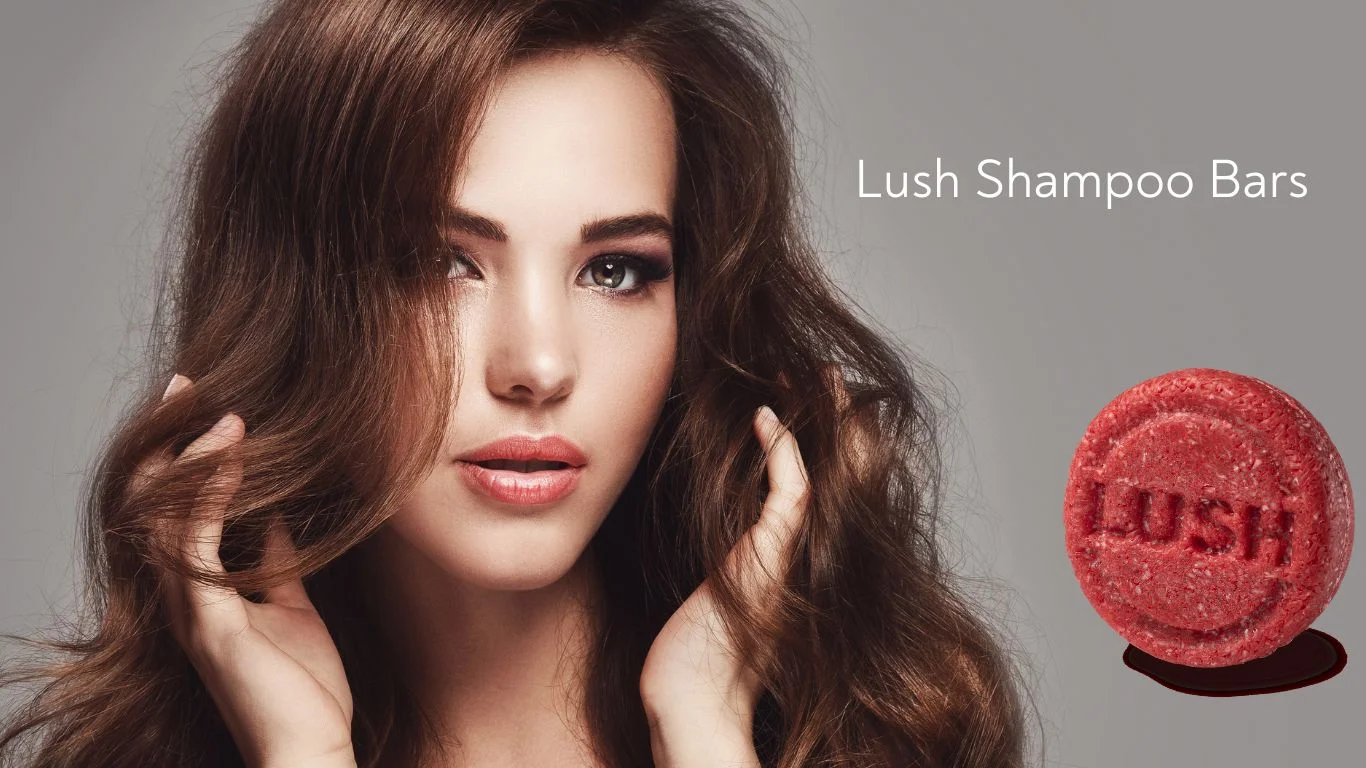
And yet, people keep switching to Lush shampoo bars and not going back.
That’s what made me take a closer look. Not as a fan, not as a critic, but as someone who cares about two things at the same time. Healthy hair and what we wash down the drain every single day.
Here’s what actually matters when it comes to Lush shampoo bars. What they do well, where they fall short, what’s inside them, and who they truly work for.
What Are Lush Shampoo Bars Really?
At the simplest level, a Lush shampoo bar is shampoo without water.
Traditional liquid shampoo is usually 70 to 80 percent water. Lush removes that water and presses the active cleansing ingredients into a solid bar. When you add water in the shower, the bar activates and lathers just like liquid shampoo.
But formulation-wise, this is not soap.
That distinction matters.
Soap is made with oils and lye. Shampoo bars use surfactants, the same cleansing agents found in liquid shampoos. Lush mostly relies on Sodium Lauryl Sulfate derived from coconut and Sodium Coco Sulfate. These are effective cleansers, not gentle soap substitutes.
That’s why the bars foam so easily and rinse clean without leaving waxy residue.
What Are the Benefits of Lush Shampoo Bars?
This is where the hype comes from, and honestly, some of it is deserved.
They Last Much Longer Than Bottled Shampoo
One shampoo bar can replace two to three regular bottles of shampoo. Lush estimates around 80 washes per bar. In real life, most people land somewhere between 60 and 90 depending on hair length and storage.
Less water. Less packaging. Less buying.
Zero Plastic Packaging
Most Lush shampoo bars are sold naked or wrapped in recyclable paper. No plastic bottle. No pump. No label floating in landfill for the next century.
If sustainability is important to you, this alone is a strong reason to switch.
Travel-Friendly and Mess-Free
No spills. No TSA drama. No shampoo exploding inside your bag.
If you travel even a few times a year, a shampoo bar quietly becomes one of the most practical swaps you can make.
Highly Concentrated Formula
Because there’s no added water, the ingredients are potent. A little goes a long way. This is also why people sometimes feel their hair reacts strongly at first. You’re using a concentrated cleanser.
Strong Scalp-Cleansing Power
If you struggle with buildup, oily roots, or heavy product use, Lush shampoo bars can feel incredibly clarifying. Hair often feels lighter and cleaner after just one wash.
That clean feeling is both a benefit and a warning sign depending on your hair type.
What Is the Main Ingredient in Shampoo Bars?
This question comes up a lot, and the answer surprises people.
The main cleansing ingredients in Lush shampoo bars are surfactants, not oils.
Most bars use:
- Sodium Lauryl Sulfate or Sodium Coco Sulfate as the primary cleanser
- Secondary mild surfactants to balance the formula
These are plant-derived, usually from coconut or palm, but they are still strong cleansers.
Then come the supporting ingredients.
Oils and Butters
Lush adds ingredients like coconut oil, cocoa butter, olive oil, or argan oil depending on the bar. These help reduce dryness and add slip.
They don’t cancel out the cleansing power, but they soften the experience.
Essential Oils
Essential oils are a signature part of Lush products. They add scent, scalp stimulation, and sometimes antimicrobial properties.
Examples include:
- Lavender oil
- Tea tree oil
- Lemon oil
- Rosemary oil
This is where sensitivity can come into play, which we’ll talk about later.
Natural Add-Ins
Some bars include sea salt for volume, herbs for scalp stimulation, or clays for oil absorption. These ingredients give each bar its specific purpose.
Does Lush Have Clean Ingredients?
The word “clean” gets thrown around a lot, so let’s slow down and be specific.
Lush avoids many ingredients people want to stay away from:
- No silicones
- No parabens
- No synthetic preservatives like formaldehyde donors
- No animal testing
- Vegetarian and mostly vegan formulas
They also openly list every ingredient and explain why it’s there. That transparency matters.
However, clean does not automatically mean gentle.
Lush uses strong surfactants and plenty of fragrance components. These are safe within cosmetic regulations, but they’re not ideal for everyone.
If your scalp is reactive, inflamed, or sensitive to fragrance, some Lush shampoo bars may be too much.
Clean does not mean universal.
Is Lush Shampoo Good for Hair?
The honest answer is yes for some people, no for others.
Let me explain who usually loves these bars and who struggles.
Hair Types That Usually Do Well
- Oily scalp with normal or dry ends
- Fine hair that needs volume
- Hair prone to buildup
- Short to medium-length hair
- People who shampoo less frequently
These users often report lighter hair, more bounce, and cleaner roots.
Hair Types That Often Struggle
- Very dry or curly hair
- Coily or textured hair
- Color-treated or bleached hair
- Sensitive or eczema-prone scalps
For these hair types, the cleansing power can feel stripping unless balanced carefully with conditioner and limited washing.
This doesn’t mean Lush shampoo bars are bad. It means they’re not one-size-fits-all.
A Quick Research Note
Studies on surfactant-based cleansers show that strong anionic surfactants remove oil efficiently but can disrupt the scalp barrier when overused. Dermatology research consistently recommends balancing cleansing strength with hair type and washing frequency.
This lines up with real-world experiences. When people love Lush bars, they love them fast. When they don’t, it’s usually because of dryness or scalp irritation.
Common Mistakes People Make With Shampoo Bars
Most negative experiences come down to usage, not formulation.
Using Too Much Product
Rubbing the bar directly on the scalp aggressively loads too much cleanser at once. Gentle swipes or lathering in hands first makes a big difference.
Washing Too Often
Daily washing with a concentrated shampoo bar can dry hair out quickly. Most people do better washing two to three times a week.
Skipping Conditioner
Many Lush shampoo bars do not provide enough conditioning on their own. Pairing them with a solid or liquid conditioner often fixes dryness complaints.
Poor Storage
Leaving the bar in standing water turns it mushy and wastes product. A dry soap dish extends its life dramatically.
How to Choose the Right Lush Shampoo Bar
This is where people go wrong. They grab whatever smells good.
Smell is nice, but hair needs matter more.
For Oily Hair and Scalp
Look for bars with citrus oils, sea salt, or clay. These help regulate oil without weighing hair down.
For Fine Hair and Volume
Bars with sea salt or lightweight oils work well. They lift the roots and keep hair airy.
For Dry Hair
Choose bars with heavier butters and fewer exfoliating ingredients. Even then, use a rich conditioner afterward.
For Color-Treated Hair
Be cautious. Use sparingly and test on a small section first. Some bars cleanse more strongly than traditional color-safe shampoos.
Are Lush Shampoo Bars Worth It?
Here’s the bottom line.
Lush shampoo bars are not gimmicks. They’re well-formulated, effective, and genuinely reduce plastic waste. When matched to the right hair type and used correctly, they can work beautifully.
But they’re not universally gentle, and they’re not magic.
If you value sustainability, enjoy strong cleansing, and don’t mind adjusting your routine, they’re absolutely worth trying.
If your hair is very dry, fragile, or sensitive, you may need to be selective or use them less often.
The smartest approach is curiosity, not blind loyalty.
Your hair will tell you the truth after a few washes.

With over 10 years of experience, Emily Turner provides expert reviews on hair care products. Passionate about sustainable beauty solutions, she helps readers achieve beautiful, healthy hair.