
There’s something both exciting and terrifying about coloring your hair. You leave the salon with that fresh, glossy tone and then a few washes later, you start worrying: will this shampoo strip my color, dry out my ends, or make everything fade too fast?
Biotin and collagen shampoos have become almost a staple for anyone chasing thicker, fuller-looking hair. But if your strands are colored or bleached, you can’t just grab any bottle off the shelf. What strengthens one hair type can weaken another, especially when color chemistry comes into play.
Let’s unpack the truth about how biotin and collagen shampoos behave on color-treated hair what’s safe, what’s risky, and what you can actually expect once you start using them.
What Biotin and Collagen Really Do for Hair
Before we talk color, it helps to understand the basics.
Biotin, also known as vitamin B7, supports keratin production the same protein that forms your hair shaft. It’s famous for promoting stronger strands, less breakage, and sometimes even a thicker appearance.
Collagen works differently. It’s a structural protein that supports hair follicles and elasticity. Some shampoos use hydrolyzed collagen to coat the hair, helping it feel smoother and more resilient after each wash.
In simple terms:
Biotin fortifies from within, collagen smooths from the outside.
This combination is why so many brands market biotin and collagen shampoos as “volumizing” or “strengthening.” But when you throw hair dye into the mix, the story gets more complicated.
What Happens When Hair Is Colored
Hair color works by opening your hair cuticle so pigment can enter. That process especially with permanent or ammonia-based dyes leaves your strands slightly more porous and prone to dryness.
Once colored, your hair’s outer layer (the cuticle) becomes your main defense line. Anything that roughens or lifts it further, from sulfates to harsh proteins, can speed up fading or dullness.
So when choosing shampoo, it’s not just about what’s in it it’s about what it does to the cuticle over time.
Is Biotin and Collagen Shampoo Safe for Colored Hair?
In most cases, yes but only if the formula is gentle and sulfate-free.
The problem isn’t biotin or collagen themselves; both are harmless to color-treated hair. The real question is what else is inside that bottle.
Here’s what matters:
1. Check for Sulfates
Many biotin and collagen shampoos contain sodium lauryl sulfate (SLS) or sodium laureth sulfate (SLES) to create a foamy lather. These detergents can strip away natural oils and color molecules.
If your shampoo lists either of these near the top of the ingredients, your color will fade faster no matter how much collagen it promises.
2. Watch for Protein Overload
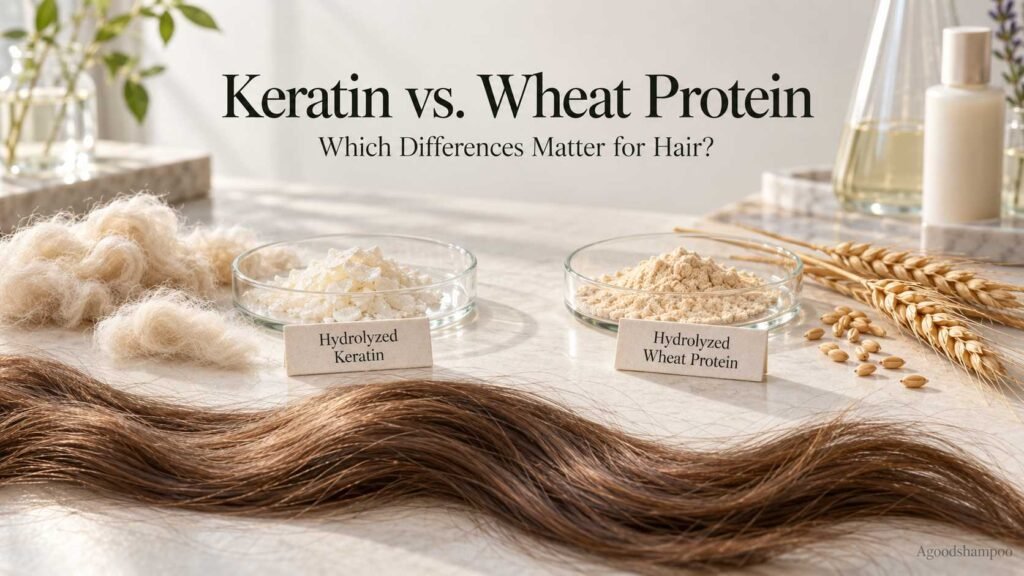
Collagen, keratin, and wheat proteins all add strength but too much protein can make color-treated hair brittle. If your hair feels stiff or dry after washing, rotate with a hydrating, silicone-free shampoo every few days.
3. Look for “Color-Safe” or “Salon Tested”
Brands that label their biotin and collagen formulas as color-safe have usually balanced the pH and avoided harsh cleansers. A balanced pH (around 4.5–5.5) keeps the hair cuticle sealed, helping the dye stay put longer.
Ingredient Breakdown: What’s Good, What’s Not
Here’s a simple look at common ingredients found in these shampoos and what they mean for your color-treated hair.
| Ingredient | Function | Color Safety |
|---|---|---|
| Biotin (Vitamin B7) | Strengthens hair structure | Safe |
| Hydrolyzed Collagen | Adds elasticity & shine | Safe |
| Sodium Laureth Sulfate (SLES) | Cleanses but can strip color | Avoid |
| Cocamidopropyl Betaine | Gentle foaming agent | Safe |
| Dimethicone | Smooths and seals | Safe in small amounts |
| Citric Acid | Balances pH | Safe |
| Sodium Chloride (Salt) | Thickener but can dry out bleached hair | Use with caution |
Quick Fact:
A Journal of Cosmetic Science study found that shampoos with balanced pH (4.5–5.5) preserved 80% more color after 15 washes compared to high-pH formulas. That’s a big deal if you’ve paid for balayage or highlights.
OGX Biotin & Collagen Shampoo: A Closer Look
One of the most popular products in this category is the OGX Thick & Full Biotin & Collagen Shampoo. You’ve probably seen it the purple bottle that smells faintly like berries and vanilla.
So is it safe for colored hair?
Yes, mostly but there’s a catch.
OGX’s formula is free from SLS and SLES, which is a great start. It uses gentler cleansers like cocamidopropyl betaine and includes hydrolyzed wheat protein and vitamin B7.
However, it’s not specifically labeled “color-safe,” and some users with bleached or pastel-toned hair report mild fading over time. If your hair is freshly colored, limit washing to two or three times per week and follow with a silicone-free conditioner.
What Research Says About Biotin and Hair Color
Biotin doesn’t interact with hair pigment it strengthens hair from the inside out. Studies on topical biotin show improved strand resilience and elasticity, which can help color-treated hair look healthier.
For instance, research published in the International Journal of Trichology found that consistent biotin use improved hair fiber quality and reduced breakage in chemically processed hair.
Collagen’s benefits are more surface-level. Hydrolyzed collagen forms a thin film around strands, reducing friction. That film can help lock in moisture and protect your dye from premature dullness especially if your hair tends to tangle easily.
The Healthiest Way to Use Biotin & Collagen Shampoo on Colored Hair
Here’s how to make the most of it without compromising your color:
- Limit Wash Frequency: Two to three times a week is ideal. Overwashing removes color molecules faster.
- Rinse with Cool Water: Hot water lifts the cuticle; cool water seals it.
- Follow with a Moisturizing Conditioner: Look for argan oil, shea butter, or panthenol-based options to restore hydration.
- Use a Heat Protectant: If you blow-dry or straighten your hair, use thermal spray colored hair fades faster under high heat.
- Clarify Only Once a Month: If you use styling products, a gentle clarifying wash (sulfate-free) will remove buildup without stripping your color.
Pros and Cons of Biotin and Collagen Shampoo for Color-Treated Hair
| Pros | Cons |
|---|---|
| Strengthens weak, processed strands | May cause slight dryness if used daily |
| Adds body and shine | Not all formulas are pH-balanced |
| Gentle formulas (if sulfate-free) preserve color longer | Some contain too much protein for fragile hair |
| Supports scalp health and growth | Results vary based on brand |
What About After Bleaching or Highlights?
Bleached hair is extremely porous, which means it loses pigment and moisture more quickly.
In this case, biotin and collagen shampoos can help but only if balanced with moisture. Look for one that includes glycerin, aloe vera, or panthenol. Those ingredients soften the protein-heavy nature of the shampoo.
If your stylist used a toner, wait at least 72 hours before your first wash to avoid dulling your new tone.
When to Avoid Biotin & Collagen Shampoos
There are times when these shampoos aren’t the best option:
- If your hair feels brittle or “straw-like” after washing, you might have protein overload. Switch to a moisturizing shampoo for a week.
- If your scalp is sensitive, look for biotin serums instead of heavy collagen-based cleansers.
- If your color is vivid (like red, violet, or fashion tones), stick to a shampoo labeled “color deposit” or “tone safe.”
Better Alternatives for Sensitive or Vivid Color
If you love the idea of strengthening but want extra color protection, try:
- Pureology Strength Cure Shampoo: vegan, sulfate-free, made for colored hair.
- Olaplex No.4 Bond Maintenance Shampoo: rebuilds bonds after bleaching and is biotin-compatible.
- SheaMoisture Purple Rice Water Strength & Color Care: gentle formula with protein balance for color-treated hair.
Bottom Line
So, is biotin and collagen shampoo good for colored hair?
Yes when it’s gentle, sulfate-free, and balanced with moisture.
Biotin strengthens your strands from within. Collagen adds a smooth, protective coat. Together, they can make dyed hair look fuller and healthier. But color-treated hair needs hydration just as much as strength, so don’t skip your conditioner and always check the ingredient list.
Think of it like skincare: your shampoo should support your color, not compete with it.

Carolina Herrera writes about color-treated, damaged, and chemically processed hair. She focuses on understanding breakage, choosing suitable shampoos, and making sense of repair claims. Her goal is to help readers care for their hair with realistic expectations and informed product choices.