Are Native Shampoos Good? Curly Hair, Colored Hair & Safety
 You ever pick up a shampoo bottle, flip it around, and suddenly feel like you’re reading a science exam you didn’t study for?
That’s usually the moment people switch to something like Native.
Simple labels. Fewer ingredients. Words you actually recognize.
And then comes the real question…
Is Native shampoo actually good, or are we all just falling for nice packaging and clean beauty marketing?
I’ve tested it, watched people switch to it, and honestly… it’s not a straight yes or no.
Some people love it. Some quietly go back to their old shampoo after two weeks.
So let’s talk about what’s really going on here.
First… what is Native shampoo trying to be?
Native is part of that whole “clean beauty” wave.
You know the vibe:
No sulfates
No parabens
No dyes
No weird long chemical names (well… fewer of them)
Instead, you’ll see things like:
Coconut oil
Shea butter
Aloe
Simple cleansers
It’s made for people who want something gentle and less irritating. Especially if your scalp reacts to strong formulas.
Sounds perfect, right?
Well… here’s where things get interesting.
Is native shampoo okay for your hair?
Short answer?
Yeah, for a lot of people it is.
But not for everyone.
Let me explain properly.
Native shampoo is usually mild and low-stripping. That means it doesn’t rip all the natural oils off your scalp like harsh shampoos can.
That’s a big deal.
Because studies show that aggressive cleansing (especially with strong sulfates) can weaken the hair cuticle over time, leading to dryness and breakage.
So if your hair feels:
Dry
Frizzy
Rough
Sensitive
Native can actually feel like relief.
But here’s the flip side.
If your hair is:
Very oily
Heavy product user
Prone to buildup
You might feel like… it’s not cleaning enough.
And that’s where people get confused.
What it actually feels like to use Native (real experience)
Let me paint a real picture.
First wash:
You’ll probably notice less foam. Not a bad thing, just different.
Second or third wash:
Hair starts feeling softer… but maybe slightly heavier.
After a week:
This is where people split into two groups.
Group 1:
“My hair feels healthier, less dry, more natural.”
Group 2:
“My hair feels greasy or not fully clean.”
Both are valid.
Because Native doesn’t strip oils aggressively. So your scalp behavior matters a lot.
Quick Fact
Many sulfate-free shampoos use milder surfactants like sodium cocoyl isethionate. These clean gently but produce less foam and remove less oil compared to traditional sulfates.
The ingredient side (this matters more than branding)
Alright, let’s get a bit nerdy but keep it simple.
Native shampoo usually contains:
Mild cleansing agents (from coconut or similar sources)
Conditioning ingredients like shea butter
Fragrance (natural or synthetic blends)
No parabens
No SLS/SLES
That sounds great, but here’s something most people miss.
“Natural” doesn’t always mean “non-irritating.”
Fragrance, even natural fragrance, can still trigger reactions.
Which brings us to an important question…
What shampoo is good for contact dermatitis?
If your scalp gets itchy, red, or irritated easily, you need to be careful.
Native can work… but only certain versions.
The safest picks are:
Fragrance-free versions
Sensitive line formulas
Minimal ingredient lists
Because dermatology research shows that fragrance is one of the top causes of contact dermatitis in personal care products.
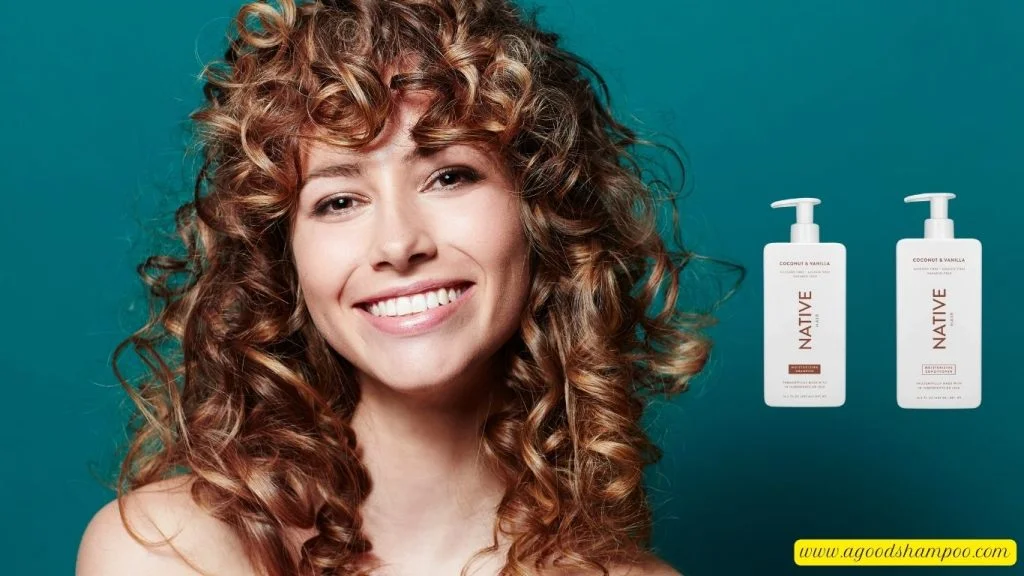
So if your scalp reacts easily, don’t just grab any Native bottle that smells like coconut vanilla dreams.
Go for the simplest one.
What Research Says
Studies published in dermatology journals show that up to 30% of people with sensitive skin react to fragrance in hair products. Even “natural fragrance” can cause irritation.
What about celiac-safe shampoo?
This one comes up more than you’d expect.
People with celiac disease often worry about gluten in personal care products.
Here’s the thing:
Most shampoos, including Native, are considered safe for external use, even if they contain gluten-derived ingredients.
Why?
Because celiac disease is triggered by ingestion, not skin contact.
Still, many brands (including Native) offer gluten-free labeled products, which gives peace of mind.
So if you’re asking:
What is the best shampoo for celiacs?
Look for:
Gluten-free labeling
Simple formulas
No wheat-based additives
Native fits that pretty well.
Let’s talk about the hype… is it really the best?
People love asking:
Which is the no. 1 best shampoo in the world?
Honestly?
There isn’t one.
Hair care isn’t like picking the best phone or laptop.
It’s personal.
What works for someone with thick curly hair might be terrible for someone with fine straight hair.
Native is not the “best shampoo in the world.”
But it is:
A good gentle option
A clean-label choice
A decent everyday shampoo for normal to dry hair
That’s a more honest way to look at it.
Where Native shampoo really shines
Let’s give credit where it’s due.
Native does a few things really well.
It’s gentle
This is its biggest strength.
If your hair feels fried from heat styling or coloring, switching to something like Native can calm things down.
It’s beginner-friendly
If you’re new to “clean” hair care, this is an easy starting point.
No complicated routines. No confusing steps.
It smells good (usually)
Let’s be honest, this matters.
Even though fragrance can be an issue for some, most people enjoy the scent experience.
Where it struggles (and people don’t talk about this enough)
Now the honest part.
It doesn’t deep clean
If you use:
Hair gels
Dry shampoo
Heavy oils
You might feel buildup after a few days.
It may not suit oily scalps
If your scalp produces a lot of oil, Native can feel too mild.
Results can feel “too natural”
Some people expect that super smooth, salon finish.
Native gives more of a soft, natural feel… not that ultra-slick look.
Ingredient Breakdown (simple version)
Let’s simplify what’s happening inside the bottle.
Cleansers
Remove dirt and oil but gently
Conditioners
Add softness and reduce friction
Fragrance
Makes it smell nice but can irritate some
No harsh sulfates
Means less dryness but also less deep cleaning
So the formula is basically built for balance, not intensity.
A little reality check about “clean beauty”
Here’s something people don’t say enough.
“Clean” doesn’t automatically mean better.
It means different priorities.
Less harsh chemicals
More focus on mild ingredients
Better for sensitive users
But it can also mean:
Less foam
Less deep cleaning
Shorter shelf life sometimes
So if you expect miracles just because it’s labeled clean, you’ll probably be disappointed.
Who should actually use Native shampoo?
Let’s make this practical.
You’ll probably like Native if:
Your hair is dry or normal
You wash your hair often
You want something gentle
You care about ingredient simplicity
You might not like it if:
Your scalp gets oily fast
You use lots of styling products
You expect salon-level smoothness
You need strong dandruff control
What about dandruff and scalp issues?
Native is not a medicated shampoo.
So if you’re dealing with:
Severe dandruff
Fungal issues
Scalp psoriasis
You’ll need something stronger.
That said, for mild dryness or slight irritation, it can help by being less harsh.
Real talk… why some people quit using it
I’ve seen this happen a lot.
Someone switches to Native, excited about going “clean.”
First few washes feel okay.
Then…
Hair feels heavy
Roots get greasy faster
They think something’s wrong
So they quit.
But here’s the catch.
Sometimes your scalp needs time to adjust after switching from strong shampoos.
Oil production can rebalance over time.
Not always… but sometimes.
@stash2.0 Trying the worst shampoo hair tutorial
Small but important tip
If you switch to Native:
Give it at least 2–3 weeks.
And maybe use a clarifying shampoo once a week if buildup becomes an issue.
That combo works surprisingly well.
So… are Native shampoos good?
Here’s the honest answer.
Yes… for the right person.
They’re gentle, simple, and safer for sensitive scalps.
But they’re not magic.
And they’re definitely not for everyone.
Final thoughts (not the neat kind)
If your hair is tired, dry, or just over all the harsh stuff, Native can feel like a reset.
If your hair is oily and high-maintenance, it might feel like it’s not doing enough.
And that’s okay.
Hair care isn’t about finding one perfect shampoo. It’s about finding what works for you right now.
Sometimes that’s Native.
Sometimes it’s not.
And honestly? That’s the real answer people don’t like to hear.

With over 10 years of experience, Emily Turner provides expert reviews on hair care products. Passionate about sustainable beauty solutions, she helps readers achieve beautiful, healthy hair.