Why Can’t I Find a Good Shampoo and Conditioner That Works
Finding the right shampoo and conditioner isn’t about choosing the most popular brand it’s about matching products to your specific scalp type and hair needs. Many people struggle because they shop based on trends, scent, or ratings instead of understanding moisture balance, protein levels, and scalp health. The key to finally getting results is identifying whether your scalp is oily, dry, or sensitive, then pairing it with the right conditioning support. Once you stop guessing and start choosing strategically, your hair routine becomes simple and effective.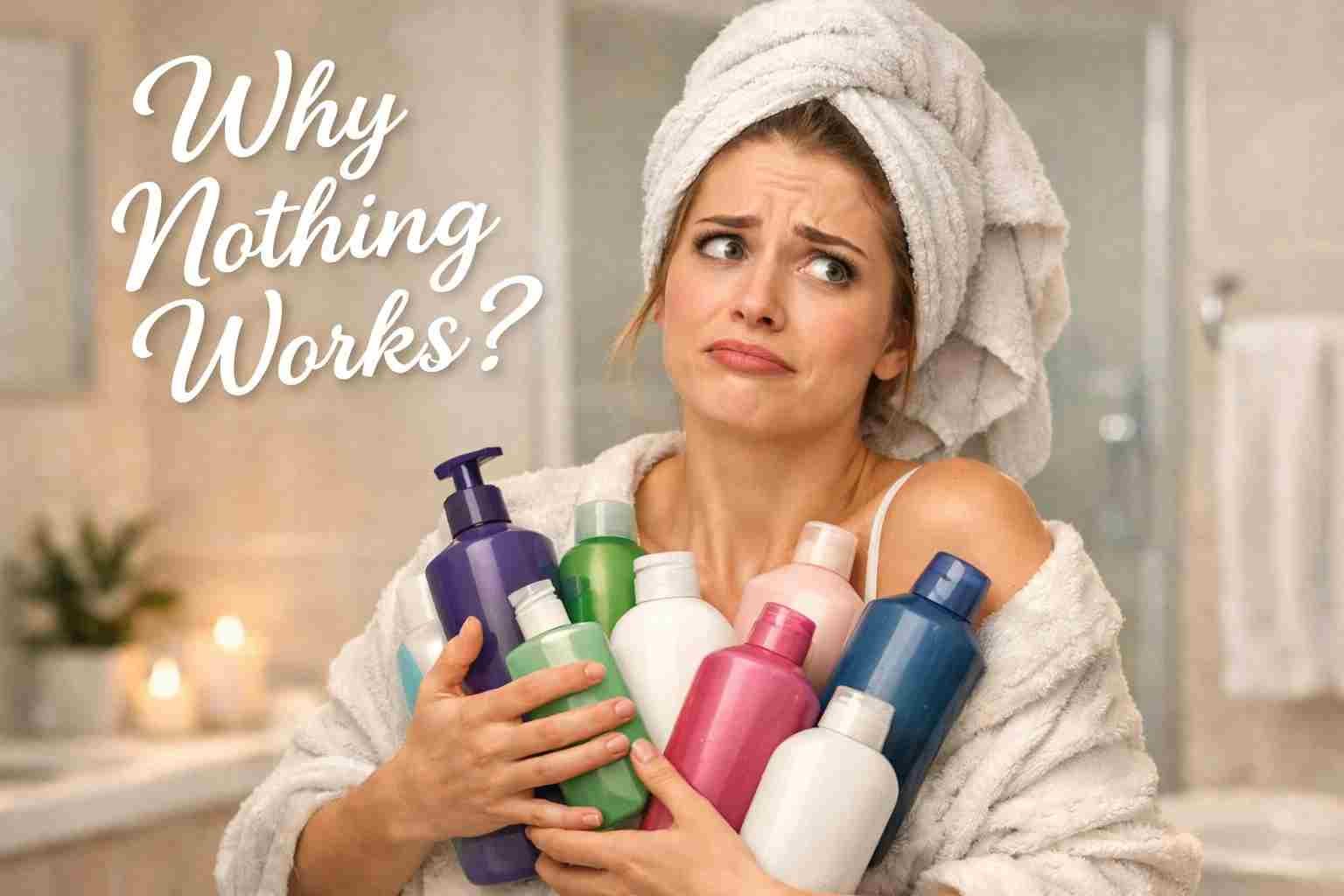 Let me say this first.
If you’ve been standing in the shampoo aisle thinking, Why can’t I find a good shampoo and conditioner? you are not dramatic. You are not picky. And your hair is not “difficult.”
You’re just overwhelmed.
There are hundreds of bottles. Every single one promises shine, repair, volume, growth, hydration, miracle results. You try one. It works for a week. Then your hair feels dry. Or greasy. Or flat. So you switch again.
And again.
I’ve talked to so many people who feel stuck in this exact cycle. They ask me:
What is the most highly rated shampoo and conditioner?
Which brand of shampoo is not good for hair?
How do I figure out what shampoo is best for me?
What should I avoid when buying shampoo and conditioner?
Let’s slow this down. Because the real answer might surprise you.
You’re not failing at picking products.
You’ve just never been taught how to choose them properly.
Why It Feels Impossible to Find a Good Shampoo and Conditioner
The global hair care market is worth over 90 billion dollars. That means companies are competing aggressively for your attention. More colors. More claims. More trends.
That doesn’t make your decision easier. It makes it harder.
Here’s what’s happening:
- Marketing speaks louder than science
- Reviews mix together completely different hair types
- Influencers use filters and styling tools
- Most people shop for their hair… not their scalp
And that last one? That’s huge.
Dermatology research consistently shows that scalp condition plays a major role in hair health. Your scalp is skin. If the skin is unbalanced, the hair growing from it struggles too.
Yet almost nobody shops based on scalp type.
That’s where confusion begins.
There Is No “Most Highly Rated” Shampoo for Everyone
Let’s answer this directly.
What is the most highly rated shampoo and conditioner?
There isn’t one.
Ratings reflect popularity, not compatibility.
A volumizing shampoo may have 4.8 stars because people with fine, oily hair love it. But if you have thick, dry, curly hair? It might leave you feeling like straw.
Same bottle. Different experience.
I once worked with two sisters. Same genetics. Same house. Same water. One had an oily scalp and straight hair. The other had dry scalp and wavy hair.
They used the same “viral” shampoo.
One loved it.
The other thought it ruined her hair.
The product wasn’t bad. It was mismatched.
That’s why chasing “top rated” rarely solves the problem.
The Real Reason Nothing Works for You
I’m going to say something gently.
Most people don’t actually know their hair needs.
Not because they’re careless. Because nobody explained it clearly.
Here are the four most common hidden reasons you can’t find a good shampoo and conditioner.
1. You’re Shopping for Hair Length, Not Scalp Type
Your roots and your ends have different needs.
Scalp types:
- Oily
- Dry
- Sensitive
- Balanced
Hair conditions:
- Damaged
- Color-treated
- Fine
- Thick
- Curly
- Straight
Your shampoo should match your scalp.
Your conditioner should match your hair length.
Most people use one system for both.
That’s where imbalance starts.
2. You Don’t Know Your Moisture vs Protein Balance
This is huge.
Hair needs both protein and moisture. But too much protein makes hair stiff and brittle. Too much moisture makes it limp and weak.
If your hair feels:
- Mushy and stretchy when wet → likely too much moisture
- Hard and rough → likely too much protein
Many “repair” shampoos are protein-heavy. If you use them continuously without balance, your hair can feel worse.
That’s not because the brand is bad.
It’s because balance matters.
3. You Switch Too Fast
Hair needs about two to three weeks to truly show how it responds to a formula.
If you switch every five days, you never see real results.
I know it’s tempting. But consistency reveals truth.
4. You Have Product Buildup
Silicones, heavy oils, and styling products can coat the hair over time.
When buildup sits on your strands:
- Moisture can’t enter
- Hair feels dull
- Even good conditioner feels useless
A simple clarifying wash once every 2–4 weeks can completely reset your hair.
Sometimes the issue isn’t your shampoo.
It’s layers sitting on top of your hair.
How to Figure Out What Shampoo Is Best for You
This is the part nobody teaches clearly. So let’s make it simple.
Step 1: Identify Your Scalp Type
Wash your hair. Don’t apply styling products. Wait 24 hours.
Is your scalp:
- Oily and shiny?
- Tight and flaky?
- Calm and balanced?
That’s your starting point.
Step 2: Identify Your Hair Condition
Look at your ends.
Are they:
- Split?
- Colored?
- Frizzy?
- Flat?
Shampoo = scalp solution.
Conditioner = length solution.
You can mix brands. That’s allowed.
Step 3: Learn Basic Ingredient Patterns
You don’t need a chemistry degree. Just patterns.
For oily scalps:
- Look for lightweight cleansing surfactants
- Avoid heavy oils in shampoo
For dry scalps:
- Look for soothing ingredients like aloe or glycerin
- Avoid overly harsh sulfates
For damaged hair:
- Look for hydrolyzed proteins
- Look for fatty alcohols in conditioner
Studies in cosmetic science show that humectants like glycerin help attract moisture, while hydrolyzed proteins temporarily strengthen weak hair strands.
Small awareness creates big difference.
Step 4: Test Properly
Use the same products for at least 2–3 weeks.
Observe:
- Does your scalp feel itchy?
- Does your hair feel heavy?
- Does it feel balanced?
Take notes if needed.
Hair care is not guesswork. It’s observation.
Which Brand of Shampoo Is Not Good for Hair?
This question comes up a lot.
Let me answer carefully.
No major brand survives long-term by intentionally damaging hair.
But formulations differ.
What might not be good for your hair?
- Extremely harsh cleansers on a sensitive scalp
- Heavy silicone layers without proper cleansing
- High alcohol content in leave-in products
- Over-fragranced formulas if you have irritation
The issue isn’t usually “bad brand.”
It’s wrong match.
That said, if your scalp consistently burns or flakes with a product, stop using it. Your skin is communicating.
Listen to it.
What to Avoid When Buying Shampoo and Conditioner
Let’s make this practical.
Avoid buying based only on:
Scent
Cute packaging
Influencer trends
“Salon only” hype
Viral TikTok claims
Instead, avoid these ingredient red flags for your specific needs:
If you have a sensitive scalp:
- Heavy artificial fragrance high on ingredient list
If you have fine hair:
- Thick oils and butters in shampoo
If you have oily scalp:
- Ultra-moisturizing shampoos meant for dry hair
And please, avoid switching every week.
Consistency builds clarity.
Why Your Conditioner Might Be the Real Problem
Sometimes the shampoo gets blamed unfairly.
Conditioner weight matters.
If your hair feels:
- Flat → conditioner may be too heavy
- Dry → conditioner may be too light
- Coated → silicone buildup
Silicones aren’t evil. But without occasional clarifying, they can stack up.
Also, rinse thoroughly. I can’t tell you how many people under-rinse the back of their head.
Little habits matter.
Common Mistakes That Make Good Products Feel Bad
Let’s talk about hidden factors.
Hard Water
Minerals in water can coat hair and make it feel rough no matter what you use.
A simple shower filter can change everything.
Overwashing
If you wash daily with strong cleansers, your scalp may produce more oil to compensate.
Then you think you need stronger shampoo.
And the cycle continues.
Using Too Much Product
More shampoo does not equal cleaner hair.
Quarter-size is enough for most.
Skipping Clarifying
Even the best shampoo and conditioner routine benefits from occasional reset.
Think of it like deep cleaning your kitchen.
A Simple Three-Week Reset Plan
If you feel completely stuck, try this.
Week One
Use a gentle clarifying shampoo once. Then switch to a balanced formula suited for your scalp.
Week Two
Use same shampoo. Adjust conditioner amount based on how hair feels.
Week Three
Evaluate honestly.
Is your scalp calm?
Is your hair manageable?
Is it improving?
Don’t expect overnight miracles. Expect gradual balance.
If You Still Can’t Find a Good Shampoo and Conditioner
If after real testing you still feel lost, here’s what I recommend:
Consider seeing a dermatologist if you have persistent scalp issues.
Sometimes flaking or excessive oil is medical, not cosmetic.
Research shows conditions like seborrheic dermatitis require targeted treatment, not just cosmetic shampoos.
Also remember:
Your hair changes.
Hormones, stress, weather, diet, even travel can affect it.
What worked last year may not work today.
That doesn’t mean you failed.
It means your body evolved.
Let’s End This Gently
You asked, why can’t I find a good shampoo and conditioner?
Here’s the truth.
Because nobody taught you how to choose one based on you.
Not stars. Not hype. Not packaging.
You don’t have bad hair.
You don’t make bad decisions.
You just needed a strategy instead of guessing.
Start with your scalp.
Balance protein and moisture.
Stay consistent.
Observe calmly.
The right combination isn’t magic.
It’s alignment.
And once you find that alignment?
You’ll stop chasing bottles.
You’ll start understanding your hair.
And that’s when everything changes.

Marlena Stell is a beauty expert and educator passionate about empowering individuals through personalized hair care and wellness advice.