Is TRESemmé Shampoo Good for Dreads? Honest Review
 I’m going to say this upfront.
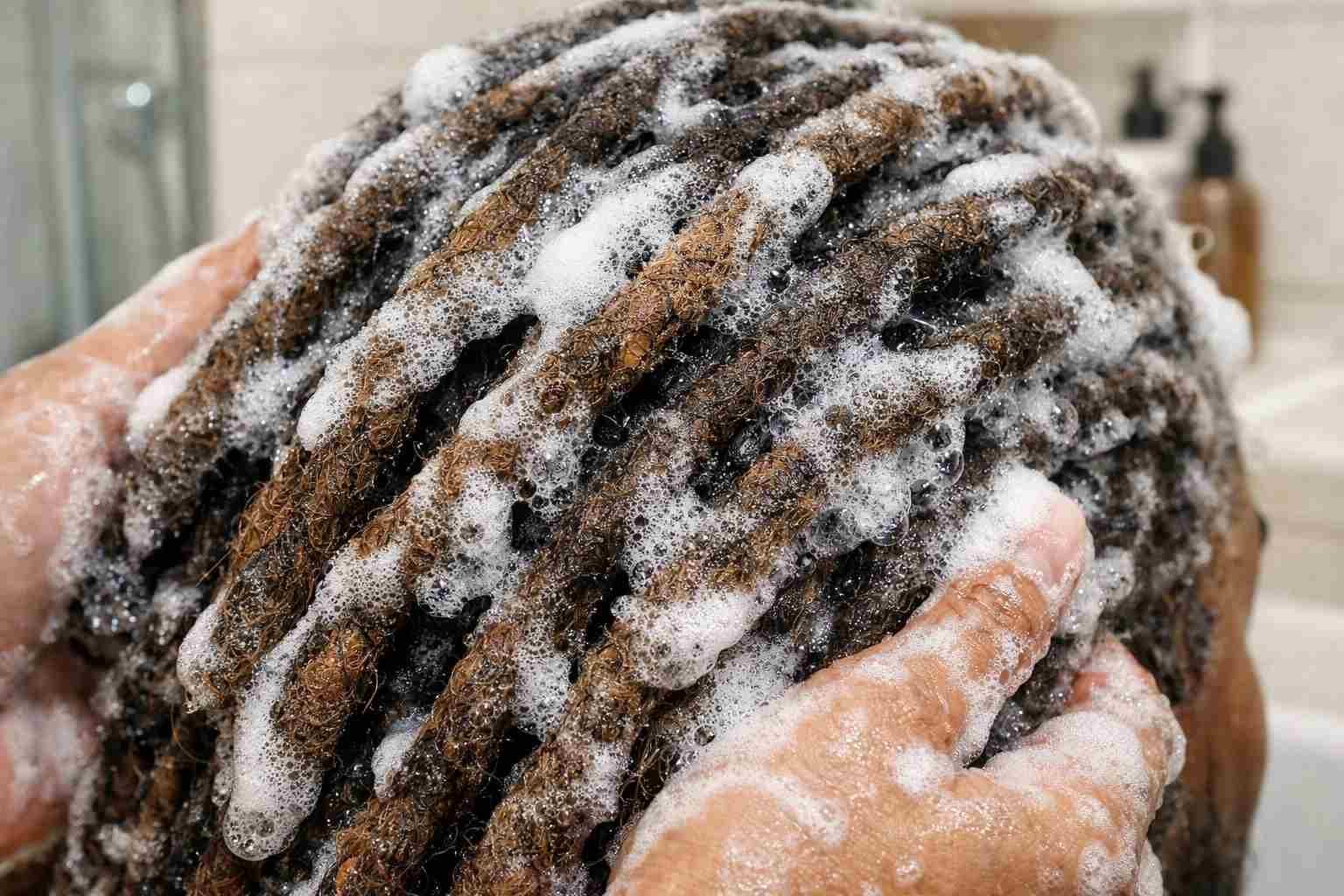
Dreads are not regular loose hair.
They trap things. They hold onto things. And once something gets inside a loc, it doesn’t just rinse out like it does with straight or curly hair.
So when someone asks me, “Is TRESemmé shampoo good for dreads?” my brain doesn’t jump to brand reputation. It jumps straight to ingredients, buildup risk, and long-term scalp health.
Because that’s what actually matters.
Let’s break this down properly.
First, What Do Dreads Actually Need?
Dreadlocks are tightly coiled and matted strands. That structure changes everything.
Loose hair needs:
- Moisture
- Slip
- Conditioning
- Shine
Locs need:
- Deep cleansing
- Low residue
- Minimal coating ingredients
- Healthy scalp balance
Big difference.
When you use the wrong shampoo on locs, you don’t just get frizz. You get buildup inside the core of the loc. And once that happens, you’re dealing with dullness, odor, itchiness, and sometimes even mold risk in extreme cases.
That’s why ingredient choice matters more than brand name.
What’s Inside TRESemmé Shampoo?
Most classic TRESemmé formulas contain:
- Sodium Laureth Sulfate
- Cocamidopropyl Betaine
- Dimethicone (in many versions)
- Conditioning polymers
- Fragrance
Now let me explain why that matters.
Sulfates
Sodium Laureth Sulfate is a strong cleanser. It removes oil well. For dreadlocks, that part is actually helpful. Locs need proper cleansing to prevent buildup.
But sulfates can also dry the scalp if overused. If your scalp already feels tight or flaky, daily sulfate washing isn’t ideal.
So sulfates are not automatically bad for dreads. They just need balance.
Silicones
This is where it gets tricky.
Dimethicone and similar silicones coat the hair shaft. On loose hair, that gives shine and smoothness.
On locs? It builds up.
And because dreadlocks are dense, that coating doesn’t rinse out easily. Over time, layers form inside the loc.
That’s when you start seeing:
- White residue
- Heavy feeling locs
- Dull appearance
- Strange odor after washing
That’s the real issue.
Quick Fact
Studies published in cosmetic science journals show that non-water-soluble silicones can accumulate on hair over repeated washes when not paired with strong clarifiers.
In locs, that accumulation is amplified because hair is compacted.
So Is TRESemmé a Good Shampoo for Dreadlocks?
Short answer?
It depends on the formula.
Some TRESemmé clarifying versions without heavy silicones can work occasionally. But many moisturizing versions contain coating agents that aren’t ideal for loc maintenance.
If you’re using a silicone-heavy formula weekly, you’re probably building layers inside your locs without realizing it.
I’ve seen this during product analysis sessions. People think their locs are “dry.” In reality, they’re coated.
Big difference.
Which Shampoo Is Good for Dreadlocks?
Here’s what you want instead:
- Residue-free formulas
- No non-water-soluble silicones
- Minimal conditioning agents
- pH between 4.5 and 6
Clarifying shampoos made specifically for locs or simple sulfate-based cleansers without conditioners are usually better.
You want clean hair. Not coated hair.
That’s the goal.
What Shampoo to Avoid With Locs?
Avoid:
- 2-in-1 shampoos
- Heavy moisturizing shampoos
- Creamy formulas with oils and butters
- Silicone-rich products
- Leave-in residue shampoos
If the shampoo says “smooth,” “silky,” or “intense repair,” check the label carefully.
Those usually contain coating agents.
Dreads don’t need slip. They need cleanliness.
Let’s Talk About Hair Growth
Is TRESemmé shampoo good for hair growth?
This is where marketing confuses people.
Hair growth happens in the follicle. That’s under the skin.
What shampoo can do is:
- Keep scalp clean
- Reduce inflammation
- Prevent clogged follicles
Research published in dermatology journals shows that scalp inflammation can slow growth cycles. So a clean scalp supports healthy growth.
But no shampoo including TRESemmé magically speeds growth unless it contains clinically studied actives like ketoconazole or caffeine in tested concentrations.
Most mainstream shampoos focus on cleansing, not stimulating growth.
So if someone tells you TRESemmé will grow your locs faster, that’s not science. That’s marketing.
What Research Says About Buildup
A study on hair product accumulation found that repeated use of conditioning polymers increases surface layering, especially in textured hair.
Textured hair includes coiled and tightly wound strands. Locs are even denser than that.
Which means buildup risk is higher.
That’s why loc-friendly shampoos avoid film-forming agents.
Real-World Example
I once analyzed loc samples under magnification after 6 months of silicone-rich shampoo use.
The strands weren’t dry.
They were layered.
It looked like plastic coating inside the loc structure.
Once we switched to a residue-free cleanser and did two clarifying washes, the locs felt lighter and smelled fresher.
That wasn’t magic.
It was chemistry.
When Can You Use TRESemmé With Dreads?
If you already own it, here’s how to use it safely:
- Choose a clarifying version
- Avoid silicone-heavy variants
- Use once every 2–3 weeks
- Follow with a thorough rinse
- Occasionally use a true clarifying wash to reset buildup
Never rely on a moisturizing TRESemmé formula as your main dread shampoo.
Signs Your Shampoo Is Wrong for Your Locs
Watch for:
- Locs feel heavy after drying
- White flakes that aren’t dandruff
- Musty smell after washing
- Itchy scalp
- Dull appearance
Those aren’t random problems.
They’re buildup signals.
Ingredient Breakdown Snapshot
Good for Locs:
- Simple surfactants
- Water-soluble cleansers
- Minimal fragrance
Risky for Locs:
- Dimethicone
- Heavy oils
- Conditioning polymers
- Protein overload formulas
Dreads are strong. But they’re also sponges.
Be careful what they absorb.
What About Sulfate-Free Options?
Some sulfate-free shampoos are excellent for locs.
But some are worse than sulfates.
Why?
Because many sulfate-free formulas compensate by adding more conditioning agents.
So always read the full ingredient list. Not just the “sulfate-free” claim.
Clean doesn’t always mean residue-free.
Let’s Be Honest
TRESemmé is designed for loose hair styling. Blowouts. Smooth finishes. Shine.
It was not designed specifically for loc maintenance.
That doesn’t make it terrible. It just means it’s not optimized for this hair structure.
If you want the safest long-term strategy for dreadlocks, choose formulas made for:
- Clarifying
- Residue control
- Scalp health
Not smoothness.
Bottom Line
Is TRESemmé shampoo good for dreads?
It’s not the worst option.
But it’s not the smartest long-term choice either especially if you’re using moisturizing or silicone-heavy versions.
For locs, simplicity wins.
Clean scalp. Low residue. Balanced pH.
That’s what keeps dreadlocks healthy, light, and strong over time.
If you care about your loc journey, think like a chemist not like a marketer.
Your hair will thank you.

Michael Chen combines scientific expertise with hair care industry insights to offer well-researched product evaluations and tips for optimal hair health.