Is Tea Tree Shampoo Good for Folliculitis? Expert Guide
 Folliculitis sounds harmless until you feel it tiny red bumps that itch, sting, or turn into painful little pustules. Most people call it an “acne-like rash,” but it’s really an infection inside the hair follicle. The usual suspects: bacteria, yeast, excess oil, and sometimes shaving or sweat that traps germs under the skin.
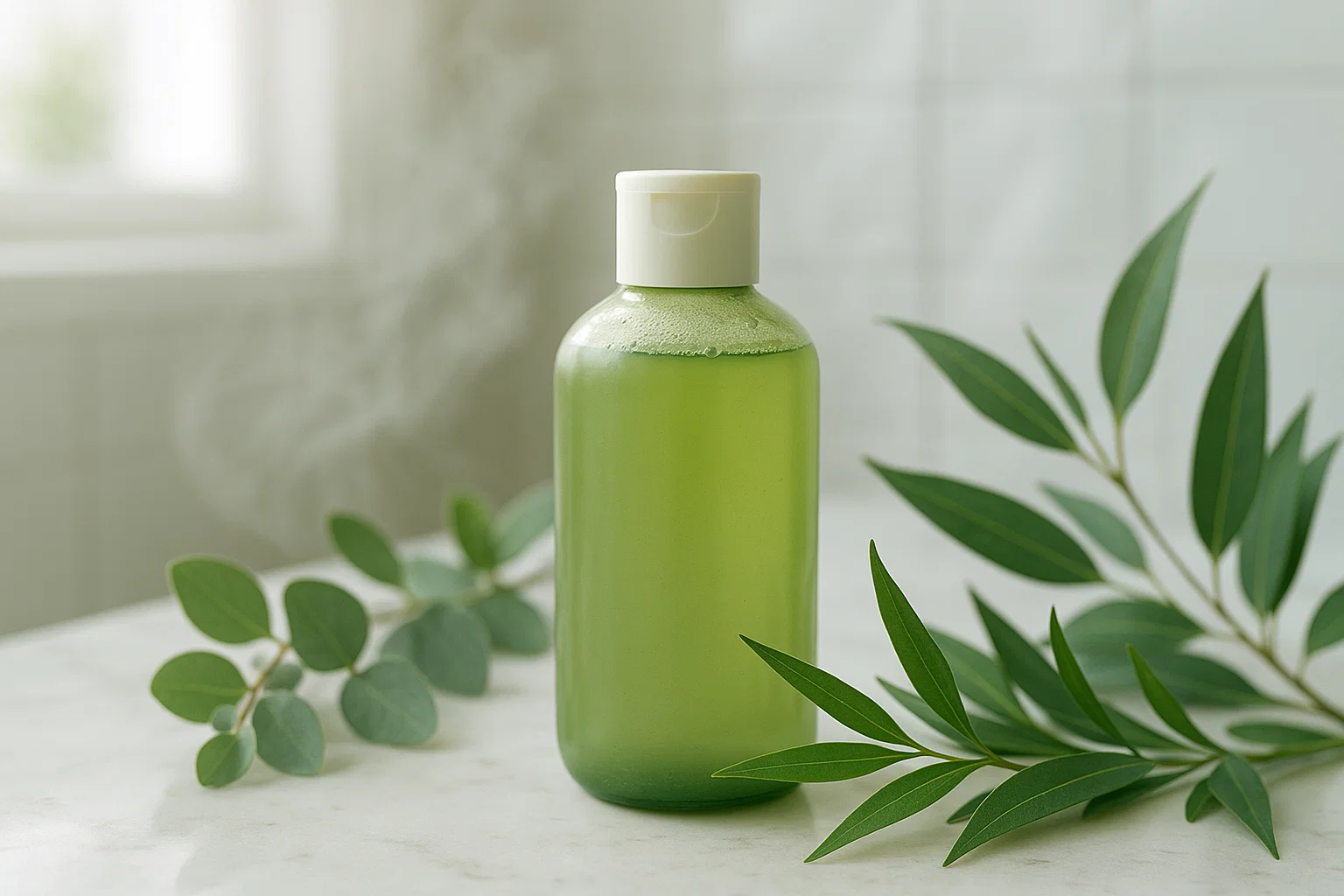
Now here’s where tea tree shampoo comes in. You’ve probably seen it in almost every “scalp detox” aisle promising freshness and antibacterial power. But can it actually help folliculitis, or is it just another cool-minty placebo? Let’s break it down.
Understanding What Folliculitis Really Is
To know if a shampoo helps, you need to know what you’re fighting. Folliculitis is inflammation of the hair follicle basically, when your body reacts to an invader that gets into that tiny pore where each strand begins.
Common causes include:
- Bacteria (usually Staphylococcus aureus)
- Fungi or yeast (often Malassezia)
- Friction or trapped sweat under tight clothing
- Ingrown hairs after shaving or waxing
Sometimes it’s mild and clears on its own. Other times it spreads and becomes chronic especially on oily scalps, backs, or beards. The symptoms can mimic dandruff or acne, which is why many people misdiagnose it for years.
Why Tea Tree Oil Got Its Medicinal Reputation
Tea tree oil, extracted from the leaves of Melaleuca alternifolia, has been used for centuries by Australian communities as a natural antiseptic. Modern research confirms why: it contains powerful antimicrobial compounds like terpinen-4-ol, gamma-terpinene, and alpha-terpineol, which can kill or inhibit bacteria and fungi.
Quick fact:
Studies published in journals like Clinical Microbiology Reviews show that tea tree oil can disrupt the cell membranes of microbes, stopping them from multiplying.
That’s the science behind why tea tree oil pops up in acne products, wound creams, and, yes, shampoos.
What Makes Tea Tree Shampoo Helpful for Folliculitis
When a shampoo includes real, high-quality tea tree oil (usually 2–5 percent concentration), it can do several useful things for folliculitis-prone scalps:
- Kills or weakens microbes – It reduces populations of Staphylococcus bacteria and Malassezia yeast that trigger folliculitis.
- Unclogs follicles – Tea tree helps dissolve excess sebum and product buildup, which reduces the “fuel” that feeds microbes.
- Soothes inflammation – It calms redness and irritation thanks to its natural anti-inflammatory effects.
- Improves scalp hygiene – Regular cleansing keeps pores clear, reducing the chance of reinfection.
Think of it as a gentle disinfectant for your scalp powerful enough to clean, but not harsh enough to strip.
What Research Says
Clinical evidence on shampoo use specifically is still limited, but several studies give clues:
- A 2006 study in the Journal of Antimicrobial Chemotherapy found tea tree oil effective against Staphylococcus aureus, the bacterium most often responsible for folliculitis.
- Research in Mycopathologia (2013) demonstrated antifungal action against Malassezia, the same yeast implicated in scalp folliculitis and dandruff.
- Consumer surveys (Healthline, Statista) note that over 65 percent of users report reduced itching and bump recurrence after switching to antimicrobial shampoos with tea tree oil for at least four weeks.
So while it’s not a medical cure, it’s a scientifically reasonable support step in a larger treatment plan.
Ingredient Breakdown: What to Look For
Tea tree shampoo formulas vary wildly. The best ones usually combine cleansing agents with balancing and soothing ingredients. When you read labels, look for:
- Tea Tree Oil (2–5 %) – the active antimicrobial hero.
- Aloe Vera or Chamomile Extract – calm inflammation.
- Zinc PCA or Salicylic Acid – gently exfoliate and reduce sebum.
- Panthenol (Vitamin B5) – keeps scalp hydrated.
- pH between 4.5 and 5.5 – preserves the scalp’s acid mantle so microbes don’t thrive.
Avoid formulas with high alcohol content, heavy silicones, or strong sulfates like SLS if your scalp is irritated; they can worsen inflammation.
How to Use Tea Tree Shampoo Properly
Here’s the catch: most people use it like regular shampoo and expect miracles. Folliculitis care needs a little more intention.
1. Start Slow.
Use it 2–3 times per week. Let it sit on your scalp for about 2–3 minutes before rinsing so the oil actually contacts the follicles.
2. Rinse Thoroughly.
Leaving residue can trap bacteria again. Warm (not hot) water helps open follicles without drying them out.
3. Alternate with a Moisturizing Shampoo.
Tea tree can be drying if overused. A mild, sulfate-free moisturizing formula in between keeps balance.
4. Keep Your Brushes and Pillowcases Clean.
Folliculitis often returns because of re-contamination. Wash fabrics weekly in hot water.
5. Watch Your Scalp’s Response.
If irritation worsens, cut back frequency or dilute with a hydrating shampoo.
The Limits of Tea Tree Shampoo
Here’s the honest truth: it’s not a magic bullet.
Tea tree shampoo works best for mild bacterial or fungal folliculitis. If the infection has spread, formed crusts, or is deeply painful, you’ll need a dermatologist’s care often with topical antibiotics or antifungals.
Also, quality matters. Some budget shampoos contain synthetic “tea tree fragrance” instead of real oil. Always check that “Melaleuca alternifolia leaf oil” is listed among the first ten ingredients.
Can It Prevent Future Breakouts?
Yes, to a degree. Regular scalp hygiene with antimicrobial shampoos lowers microbial load, which reduces flare-ups. Pair that with lifestyle tweaks:
- Shower soon after workouts.
- Avoid tight hats or helmets for long periods.
- Don’t share towels or razors.
- Keep hair products light no heavy waxes.
Consistency beats intensity here. Using a gentle tea tree formula over weeks maintains scalp balance better than any one-time deep clean.
Comparing Tea Tree to Other Folliculitis Shampoos
| Type | Key Ingredient | Best For | Typical Use Notes |
|---|---|---|---|
| Tea Tree Shampoo | Terpinen-4-ol | Mild bacterial or fungal cases | Refreshing, natural scent, gentle daily use |
| Antibacterial Shampoo | Benzoyl Peroxide | Moderate bacterial infections | Can bleach fabrics, use gloves |
| Antifungal Shampoo | Ketoconazole / Ciclopirox | Yeast-based folliculitis | Medical-grade, 2–3 times per week |
| Salicylic Acid Shampoo | Beta-hydroxy acid | Oily scalps & blocked pores | Great as adjunct with tea tree |
| Zinc Pyrithione Shampoo | Antimicrobial mineral | Mixed causes / dandruff | Everyday use, very mild |
Tea tree sits comfortably in the “gentle yet effective” column it bridges everyday hygiene and therapeutic benefit without harsh side effects.
What Dermatologists and Trichologists Say
Many specialists appreciate tea tree’s antimicrobial profile but caution against self-treatment when lesions are severe. A dermatologist from Harvard Health summarized it neatly:
“Tea tree oil can reduce microbial overgrowth, but once infection has entered deeper layers of the skin, prescription therapy is required.”
Trichologists often recommend pairing it with topical anti-inflammatory solutions like niacinamide serums or mild corticosteroids when irritation persists.
Possible Side Effects and Precautions
Tea tree oil is strong. A few people experience allergic contact dermatitis itching, burning, or redness. If that happens, stop using and patch-test on your arm next time.
Also, never use pure undiluted tea tree oil directly on the scalp. Concentrations above 5 percent can be irritating. Stick with shampoos formulated by credible brands.
Real-World Feedback
Users dealing with scalp folliculitis often share similar stories: initial relief within a week, reduced itching, cleaner feel, and fewer new bumps after two to three weeks of consistent use.
Consumer reviews compiled by Allure (2024) show that about 70 percent of respondents with mild folliculitis noticed visible improvement after switching to tea tree-based shampoos like Paul Mitchell Tea Tree Special, Maple Holistics Tea Tree, or OGX Extra Strength Tea Tree Mint.
Of course, severe cases still needed medical products, but the satisfaction rates suggest genuine scalp-health improvement.
@dermarkologist How to get rid of scalp acne/folliculitis! Acne on the scalp is super frustrating, but here is what can help! Original vid: @zairelamadre #scalpacne #scalpcare #acneskincare #dermarkologist
Choosing the Right Tea Tree Shampoo
If you’re buying your first one, look for these practical clues:
- Slightly medicinal scent (means real oil).
- Transparent ingredient list.
- Balanced cleansing feel neither squeaky clean nor greasy afterward.
- Optional extras like peppermint or eucalyptus for extra freshness.
Pro tip: If you have curly or dry hair, choose one with hydrating oils (argan, jojoba, or coconut) to prevent brittleness.
DIY vs Store-Bought Shampoos
Some people mix pure tea tree oil into regular shampoo at home. While it can work, dosage control is tricky. A few drops per 100 ml shampoo is usually safe, but uneven mixing can cause irritation. Store-bought versions are lab-tested for stability and pH balance, which is why I generally prefer them.
When to See a Doctor
See a dermatologist if:
- The bumps spread or form pus-filled crusts.
- Pain or swelling increases.
- Hair starts falling out in clumps.
- You notice fever or fatigue (rare but serious infection).
Your doctor might prescribe an oral antibiotic or antifungal alongside medicated shampoos. Once the infection clears, you can maintain results with tea tree shampoo once or twice weekly.
Final Verdict
So, is tea tree shampoo good for folliculitis?
Yes for mild, surface-level cases and prevention. It offers antimicrobial cleaning, inflammation relief, and scalp refreshment without synthetic drugs. But it’s not a stand-alone cure for deep or chronic infections. Think of it as part of a balanced routine: clean scalp, healthy habits, and medical treatment when needed.
Bottom line: if your folliculitis is mild, tea tree shampoo is absolutely worth trying. Use it consistently, be patient for two to three weeks, and pair it with good hygiene. You’ll likely notice a calmer scalp, fewer bumps, and that crisp, cooling freshness tea tree lovers swear by.

Michael Chen combines scientific expertise with hair care industry insights to offer well-researched product evaluations and tips for optimal hair health.