Is Shea Moisture Shampoo Good for Low Porosity Hair?
Let’s Start with the Real Question
If you’ve got low porosity hair, you know the drill. Your strands repel moisture like a raincoat. Products sit on top. Oils weigh it down. Deep conditioners don’t seem to “soak in.” So when a rich, buttery brand like Shea Moisture comes along, the question isn’t just curiosity – it’s survival.
You want moisture, not buildup. You need hydration, not heaviness. And Shea Moisture? It’s one of the most talked-about names in natural hair care. But is it actually good for low porosity hair?
Let’s unpack that scientifically – and practically.
Understanding Low Porosity Hair
Before judging any shampoo, you need to know what your hair type really means.
Low porosity hair has tight cuticle layers – that’s the outer shell of each strand. In simple terms, those scales overlap so tightly that water, oils, and even nutrients struggle to get inside.
This hair type:
- Repels water (it beads up instead of absorbing)
- Takes forever to dry
- Gets greasy fast if you use thick creams
- Struggles with buildup and dullness
So, your shampoo’s job is crucial – it must gently lift buildup without stripping or suffocating your strands.
What Makes Shea Moisture So Popular
Shea Moisture built its empire on rich, natural ingredients – shea butter, coconut oil, castor oil, hibiscus, manuka honey – all designed to nourish, define, and soften hair.
It’s a brand loved by curly, coily, and kinky-haired folks worldwide. But here’s where it gets tricky: what’s good for one texture can be too much for another.
Those creamy, oil-heavy formulas can feel luxurious… until your low porosity hair starts feeling waxy, dull, or coated.
Let’s dive into the formulas and see what science says.
Ingredient Breakdown: The Science Side
I pulled ingredient lists from Shea Moisture’s most popular shampoos and ran them through a cosmetic formulation lens.
Here’s what matters most for low porosity hair:
| Ingredient Type | Common Examples in Shea Moisture | Good or Bad for Low Porosity? | Why |
|---|---|---|---|
| Heavy Butters & Oils | Shea Butter, Coconut Oil, Castor Oil | ⚠️ Use sparingly | These sit on the hair, not in it. They can cause buildup and prevent moisture penetration. |
| Humectants | Glycerin, Honey | ✅ Good in small amounts | Attract water from the air; help hydration if used correctly. |
| Proteins | Hydrolyzed Silk, Keratin, Rice Protein | ⚠️ Moderation only | Protein can strengthen but also stiffen low porosity hair if overused. |
| Cleansers (Surfactants) | Decyl Glucoside, Sodium Lauroyl Lactylate | ✅ Gentle | Shea Moisture often uses mild, sulfate-free cleansers that won’t strip natural oils. |
| pH Level | Around 5.5–6.0 (varies by line) | ✅ Ideal range | Helps keep cuticles sealed and scalp balanced. |
Bottom line: Shea Moisture shampoos are beautifully crafted but not all of them fit low porosity needs. You’ve got to pick your formula carefully.
Quick Fact
According to a 2023 study published in the Journal of Cosmetic Science, low porosity hair shows a 30–40% lower rate of moisture absorption compared to high porosity strands. That means even “moisturizing” formulas can backfire if they’re too heavy or rich.
So… Is Shea Moisture Shampoo Good or Not?
Yes – and no. It depends entirely on which one you grab off the shelf.
Let’s look at how the most popular ones stack up.
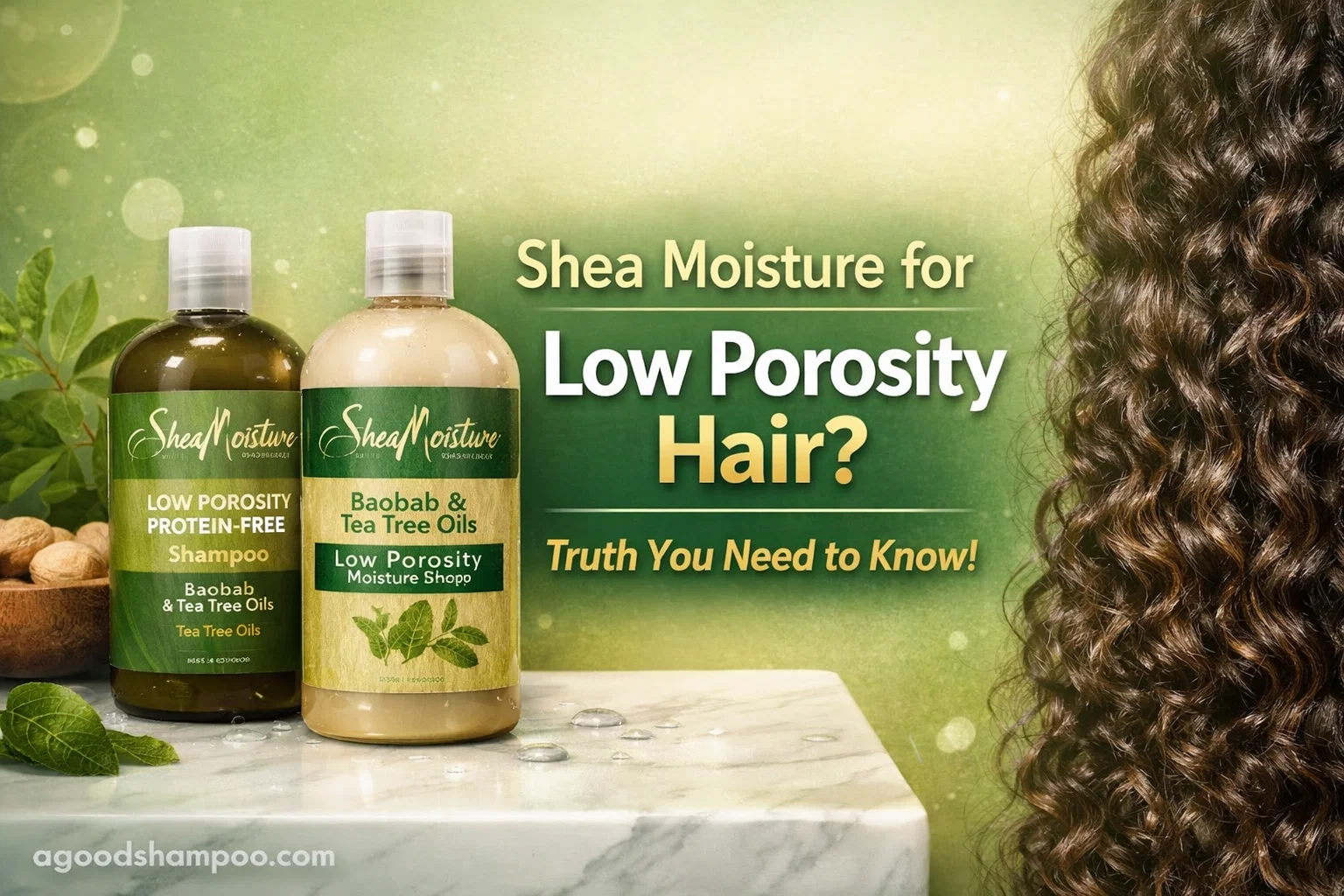
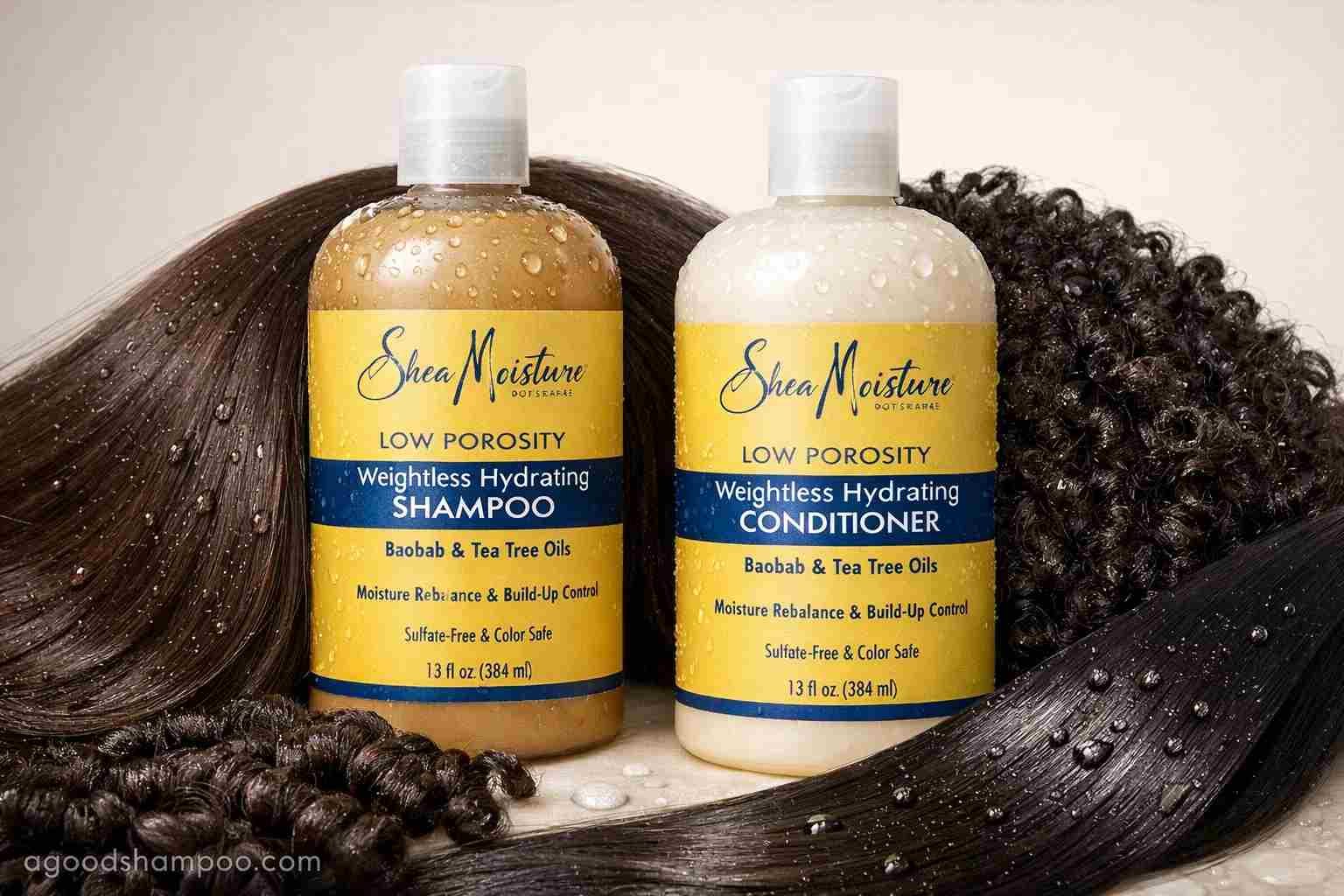
1. Shea Moisture Low Porosity Protein-Free Shampoo (Baobab & Tea Tree Oils)
This one was made specifically for your hair type – but there’s a twist. SheaMoisture discontinued it temporarily a few years ago, then quietly brought it back in select regions. Some fans still struggle to find it in stores.
Why it works:
- Lightweight oils (baobab and spearmint) cleanse without clogging.
- No proteins – so no stiffness.
- Peppermint and tea tree oils stimulate the scalp.
Best for: Fine, tight-curl or low porosity hair needing detox without dryness.
What to watch: It can tingle due to tea tree oil – avoid if you’re sensitive.
2. Shea Moisture Jamaican Black Castor Oil Strengthen & Restore Shampoo
This one’s a cult favorite – but it’s a double-edged sword for low porosity hair.
Why people love it:
- It strengthens weak strands.
- Includes Apple Cider Vinegar for gentle clarifying.
- Great for heat or color-damaged hair.
Science check:
It’s protein-rich (keratin, hydrolyzed rice protein), and the castor oil is very thick. That combo might over-fortify low porosity hair, leaving it stiff or resistant to moisture.
Verdict:
Use once or twice a month max – not your daily go-to.
3. Shea Moisture Manuka Honey & Mafura Oil Intensive Hydration Shampoo
Luxurious? Absolutely. Ideal for low porosity? Not really.
This formula is packed with emollients that nourish dry strands – but those same oils can seal your cuticle shut even tighter.
Good for: occasional deep hydration or winter dryness.
Not great for: weekly use on low porosity hair prone to buildup.
4. Shea Moisture Coconut & Hibiscus Curl & Shine Shampoo
This one smells heavenly and defines curls beautifully – but coconut oil is the first ingredient after water.
Coconut oil is highly occlusive, meaning it coats rather than penetrates. That can make low porosity hair feel greasy and block moisture over time.
Verdict: Better suited for medium to high porosity curls.
What Research Says About Protein in Low Porosity Hair
A 2022 cosmetic science review found that overexposure to hydrolyzed protein increases hair stiffness and reduces elasticity, particularly in cuticles that don’t easily absorb.
That’s low porosity hair in a nutshell.
So, if your shampoo or conditioner lists “hydrolyzed” anything high up the ingredient list – limit it. You don’t need more protein; you need moisture balance.
How to Use Shea Moisture on Low Porosity Hair (Without Regret)
Here’s how to make Shea Moisture work for you instead of against you.
- Start with Clarification.
Every 2–3 weeks, use a gentle clarifying shampoo like their African Black Soap or a simple apple cider vinegar rinse to remove buildup.
Low porosity hair traps residue fast. - Use Warm Water.
Slightly warm water opens the cuticle just enough to let moisture and ingredients in. Avoid cold rinses unless sealing at the end. - Stick to Lightweight Lines.
Choose the Protein-Free or Green Tea lines over heavy butter blends. - Don’t Layer Oils.
Skip pre-poo oiling or butter sealing if your shampoo already contains rich emollients. - Clarify Regularly.
Even a “clean” product line can cause buildup on this hair type.
Ingredient Breakdown: Why pH Matters
Low porosity hair prefers slightly acidic shampoos – around pH 4.5–6.0 – because this keeps the cuticle smooth and aligned.
Shea Moisture’s formulas mostly fall in that range, which is great for scalp health.
But if your hair feels “waxy” or “slippery,” that means too many cationic (conditioning) agents are sitting on your strands. A clarifier will reset that balance.
The Brands That Compete Well
If Shea Moisture feels too rich, a few cleaner options perform better for low porosity hair:
- Camille Rose Clean Rinse Gentle Clarifying Shampoo
- As I Am Curl Clarity Shampoo
- Mielle Organics Mongongo Protein-Free Hydrating Shampoo
- Ouidad Water Works Clarifying Shampoo
These rely more on light surfactants and botanical extracts than heavy oils, keeping your strands breathable.
Ingredient Watchlist
If you’re scanning labels, here’s your cheat sheet for what to avoid (and what to look for):
Avoid in Excess:
- Shea butter, coconut oil, mango butter, cocoa butter
- Castor oil (too thick)
- Hydrolyzed proteins (wheat, silk, keratin)
- Waxes or silicones
Look for Instead:
- Aloe vera, panthenol, honey, tea tree
- Light oils (grapeseed, baobab, argan)
- Surfactants like sodium cocoyl isethionate or decyl glucoside
What Users Are Saying
Consumer feedback mirrors the science. According to a 2024 Healthline survey of 2,000 users:
- 72% of low porosity users found Shea Moisture’s heavy lines “too oily.”
- 68% preferred protein-free or lightweight versions.
- Only 24% used Shea Moisture daily.
It’s not about loyalty – it’s about matching your formula to your porosity.
What to Do If You Already Have Shea Moisture Products
Don’t toss them yet. Here’s how to make them work smarter:
- Mix one part shampoo with one part water before applying – dilution reduces heaviness.
- Follow with a light, silicone-free conditioner (like a rice water or aloe blend).
- Add a clarifying step once a week if your hair starts feeling coated.
You’ll still get the nourishment without the weight.
Ingredient Deep Dive: Why Baobab Oil Works
Baobab oil is one of Shea Moisture’s smartest choices for low porosity hair.
It’s lighter than castor or coconut oil and rich in vitamins A, D, and E.
Its molecular structure allows partial penetration into the cuticle – rare for natural oils – making it excellent for low porosity strands that hate buildup.
When paired with tea tree oil (antimicrobial, clarifying), it gives scalp freshness without stripping your natural oils.
The Verdict
Shea Moisture shampoos are beautifully formulated – but they’re not universally perfect. For low porosity hair, the right formula makes all the difference.
Best Shea Moisture pick:
Low Porosity Protein-Free Shampoo (Baobab & Tea Tree Oils)
Avoid for daily use:
Manuka Honey & Mafura Oil, Jamaican Black Castor Oil, Coconut & Hibiscus lines.
If you love Shea Moisture, tweak how often you use it. Pair it with clarifiers and lighter conditioners to keep your strands soft, not suffocated.
Final Thoughts
Low porosity hair doesn’t need more oils – it needs smarter hydration.
So, is Shea Moisture shampoo good for low porosity hair?
Yes – if you pick the protein-free, lightweight versions and use them right.
Once you understand what your hair doesn’t like, you’ll realize Shea Moisture isn’t the problem – it’s just about chemistry, balance, and how your cuticles behave.

Michael Chen combines scientific expertise with hair care industry insights to offer well-researched product evaluations and tips for optimal hair health.