Is L’Oreal Purple Shampoo Good for Hair? Honest Review Guide
You know that moment when you catch your hair in the mirror and the blonde looks a little… off? Not bright, not creamy, not cool. Just a weird mix of yellow or that dull brass that pops out of nowhere. That’s the moment people run to purple shampoo. And honestly, I’ve seen it hundreds of times in the salon. Someone will walk in saying “I’m using purple shampoo every two days but my hair still feels dry and somehow still looks warm. What am I doing wrong?”
And most of the time the problem isn’t the hair. It’s how they’re using the product.
So let me just talk to you straight, as someone who has handled every stage of damaged, bleached, over-toned, under-toned, crispy, confused blonde hair. Yes, L’Oreal Purple Shampoo works. It does what it promises: cancels yellow tones, brightens blonde, and keeps highlights from going brassy. But like every color-correcting shampoo, it has a catch. Actually, several.
Let me explain where it shines, where it doesn’t, and how to use it so you don’t end up with dull, dry, violet-gray straw on your head.
When Purple Shampoo Is Actually Your Best Friend
Think of blonde hair like a sponge. The more you bleach it, the more it absorbs everything pollution, minerals from water, sun exposure, heat styling, even products. Over time, this builds up and your cool blonde slowly starts turning into a warm gold. Some people call it “brassy,” some say “yellow,” but the point is: it’s not the tone you wanted.
Purple sits opposite yellow on the color wheel, so it neutralizes that warmth fast. That’s true for almost every purple shampoo. But what makes L’Oreal’s version helpful is that it deposits a decent amount of pigment without being too aggressive. It won’t turn your hair purple unless abused, and the formula lathers well enough to feel like a normal cleansing shampoo.
The first wash usually lifts that yellow haze and gives you back a cleaner, brighter blonde.
But here’s the part most people don’t expect…
The Number-One Reason Hairdressers Tell You Not to Use It Too Often
I’ll be honest purple shampoo is drying. Almost all of them are. That’s not a L’Oreal issue; it’s a pigment issue.
Purple pigments sit on the outer layer of the hair cuticle. To get them to stick, manufacturers usually lower conditioning ingredients or tweak the formula so it behaves more like a toner than a regular shampoo. So when you use it more than twice a week, your hair slowly starts feeling rough, dull, tangled, and honestly, just sad.
This is why hairstylists constantly warn you. Not because the shampoo is bad. Because you’re not supposed to use it like a daily wash.
If your hairdresser said “don’t overuse purple shampoo,” trust me they weren’t being dramatic. They were trying to save your ends from snapping in three months.
So, Is L’Oreal Purple Shampoo Good?
Short answer: yes, when used correctly.
Long answer: it depends on your hair, your routine, and your goals.
If your blonde turns yellow quickly, this shampoo absolutely helps. If your highlights go brassy within three weeks of a salon visit, it helps. If you want to stretch your toning appointments, it helps.
But if your hair is already dry or fragile… you need to be careful.
I’ve seen people with fine, porous hair go from healthy blonde to brittle hay just because they got addicted to that “cool-toned” look and started using purple shampoo every other day. And L’Oreal’s formula, even though it’s not the harshest, can still strip moisture if you lean on it too much.
Does L’Oreal Purple Shampoo Actually Clean Your Hair?
Yes just not deeply.
Think of it as a color-correcting cleanser, not a clarifier.
It removes dirt, sweat, and oil pretty well. But if you use heavy conditioners, oils, leave-ins, or heat protectants, this shampoo will not break through all that buildup. And if your hair is loaded with buildup, the violet pigments won’t even stick properly.
So if you use it, pair it with a clarifying shampoo once every two weeks. That opens the cuticle, removes the gunk, and makes the purple pigment actually do its job.
How Often Should You Use L’Oreal Purple Shampoo?
Here’s what I usually tell clients. Keep it simple:
If your blonde is light, porous, bleached, highlighted, or silver:
• once a week is usually enough
• twice a week only if brassiness comes fast
• every wash? No. Just no.
If your blonde is dark, golden, caramel, or balayage:
• once every 10–14 days is plenty
And if your hair feels dry, stringy, or rough after using it:
• pull back and use a hydrating mask instead
A study published in the Journal of Cosmetic Dermatology pointed out that frequent use of pigmented shampoos can increase surface friction in bleached hair. That translates to frizz, split ends, and breakage if you don’t replace the lost moisture.
So moderation isn’t just advice it’s science.
What Research Says About Toning Shampoos
Just to keep things grounded, here are the facts that matter.
• Studies show that bleached hair has compromised cuticles, which lose hydration more easily (NCBI research on oxidative hair damage).
• Pigment-depositing shampoos cling to rough cuticles, which is why blonde hair tones quickly but also dries out fast.
• Most commercial purple shampoos have a pH between 5 and 6. Some L’Oreal purple shampoos fall around this range. This is fine for normal hair but can be slightly drying for bleached ends.
So if someone tells you “purple shampoo damaged my hair,” most of the time the truth is: their hair was already fragile, and frequent pigment exposure pushed it over the edge.
How to Use It Without Ruining Your Hair
Here’s the simple method I give to clients with blonde hair that tangles easily or dries out quickly.
Wash day:
• Shampoo with a regular gentle cleanser first.
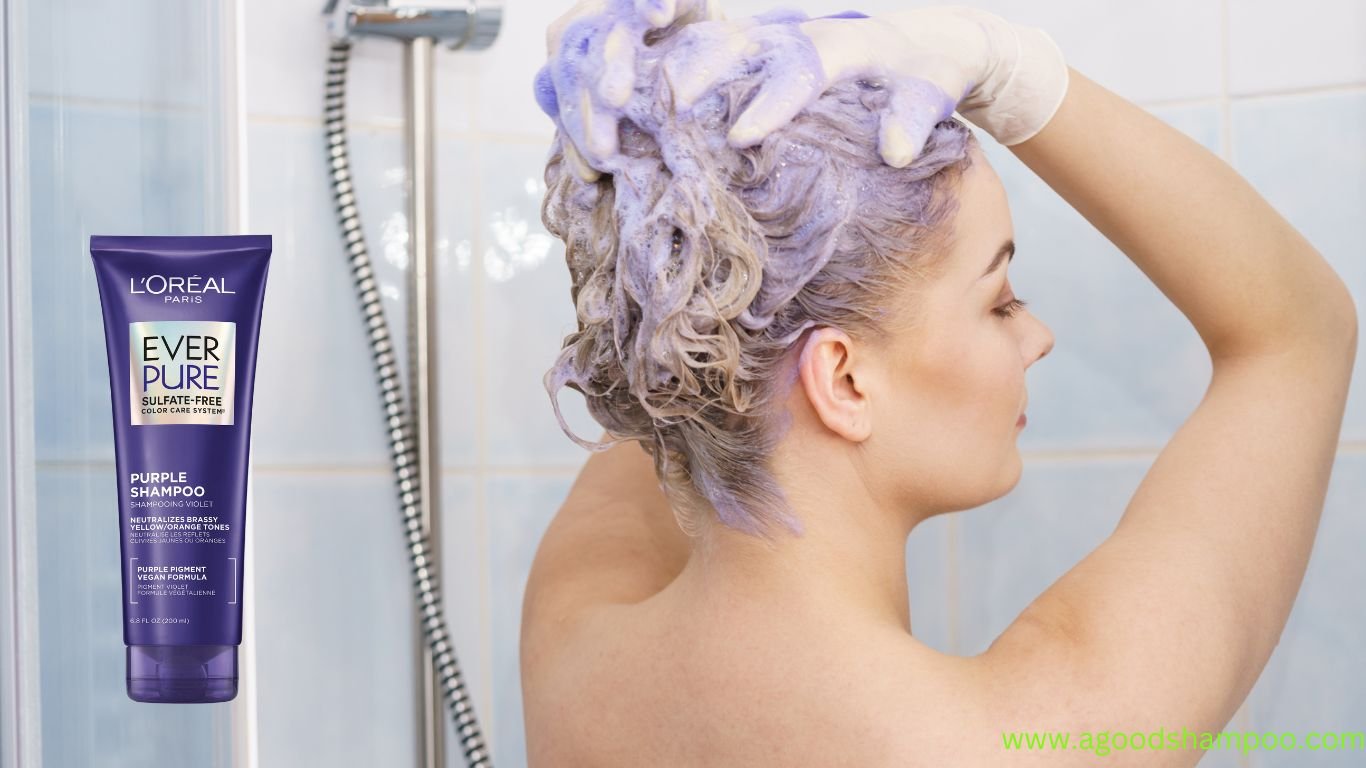
• Then apply L’Oreal Purple Shampoo only to the mid-lengths and ends.
• Leave on 2–4 minutes if you want subtle brightness.
• Rinse well.
• Follow with a rich conditioner or mask.
If your hair is thick or naturally oily, you can apply it directly as your main shampoo. But still, don’t skip conditioner.
If your hair is platinum or very light, you can dilute the purple shampoo by mixing a little with water in your hands before applying. The tone will be softer and less drying.
Common Problems People Face With L’Oreal Purple Shampoo
Let’s talk about the complaints I hear most often.
“My hair turned purple/gray.”
You used too much or left it on too long.
Wash again with a regular shampoo, or use a clarifying wash. It will fade.
“My hair feels stiff after using it.”
That’s the dryness kicking in.
Add a hydrating mask every week. Something with argan oil, peptides, or ceramides usually works.
“The yellow tones didn’t disappear.”
Your hair has buildup or mineral deposits.
Hard water is a big culprit, especially in the US and UK. A chelating shampoo once a month helps a lot.
Who Should Definitely Use L’Oreal Purple Shampoo
If you fit any of these, you’ll love it.
• You have blonde highlights that go yellow too fast.
• Your balayage fades into a warm, dull tone.
• You have bleached hair and want to maintain a cool shade.
• You have natural gray or silver hair that turns yellow from pollution or heat.
Honestly, for the price, it does the job. You don’t need a $40 salon-brand option unless your hair is extremely fragile.
Who Should Avoid or Use It Very Carefully
I won’t sugarcoat this. Avoid frequent use if:
• your hair breaks when brushed
• you’ve bleached more than twice in one year
• you have extremely fine, fragile strands
• your hair is naturally dark but heavily lifted
• your scalp is sensitive
These groups need hydration more than toning. Purple shampoo should be a “sometimes tool,” not a routine staple.
The Bottom Line
Here’s the truth the marketing labels don’t say out loud:
Purple shampoo is not a conditioner. Not a moisturizer. Not a treatment.
It’s a cosmetic color fix. A quick tone corrector. A maintenance product.
And L’Oreal’s purple shampoo fits into that category perfectly: strong enough to tone, gentle enough if used sparingly, affordable enough for everyday people.
If you want your blonde to look clean, bright, and not like old brass fixtures, you will probably love it.
If you want soft, silky hair but keep reaching for it four times a week, you will hate it.
Use it smartly and it will be one of those products you rely on forever.

Carolina Herrera: Cosmetics specialist & Hair Analyst. Specializing in hair treatments, Carolina provides thorough reviews and advice on choosing the best products for damaged or treated hair.