Is Coconut Milk Shampoo Good for Black Hair? Honest Guide
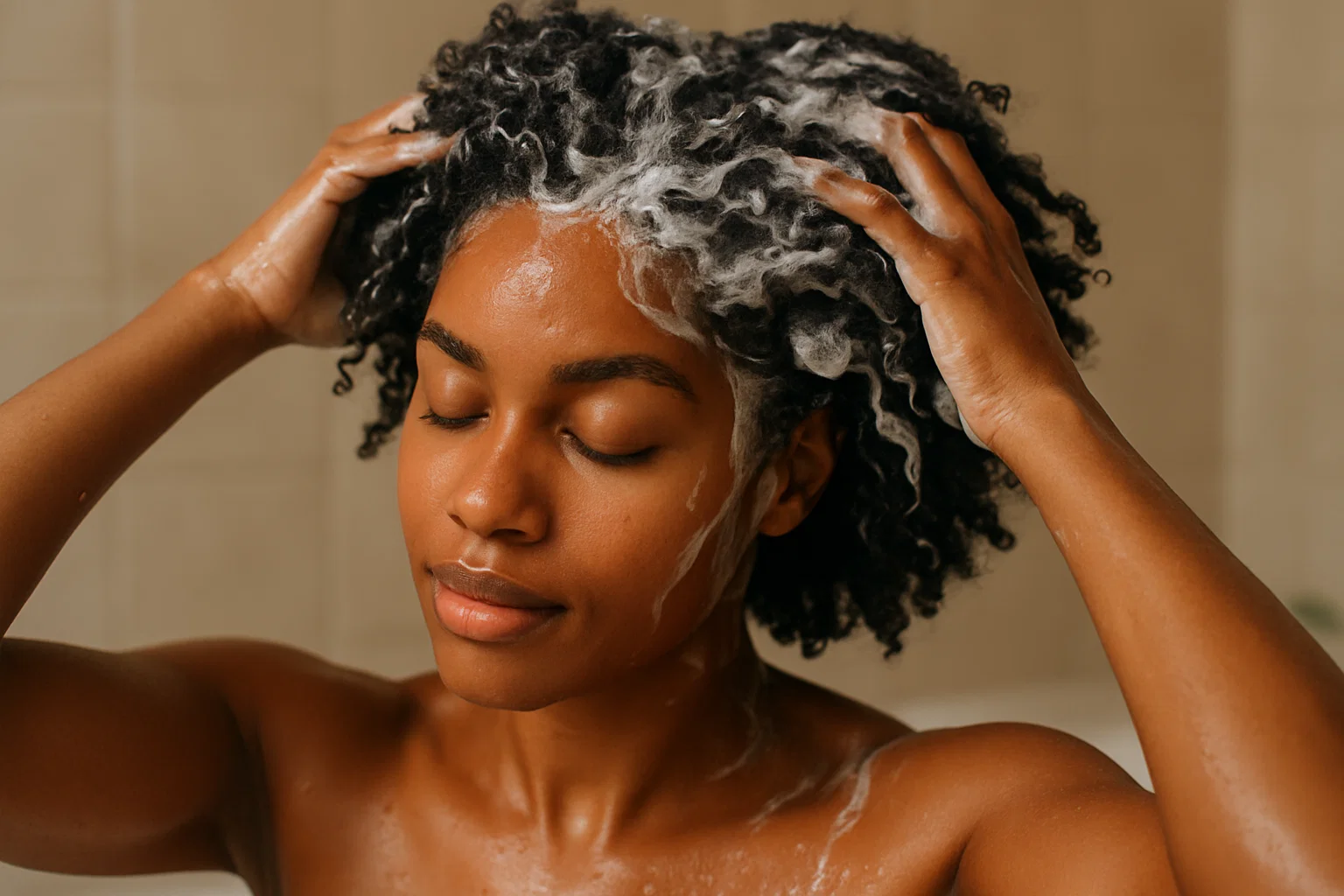 There’s something gentle and comforting about coconut milk. It reminds people of softness, nourishment, comfort, and moisture. So when brands place “coconut milk shampoo” on the bottle, it feels like a promise of hydrated, smoother, happier hair.
But here’s the truth: Black hair has its own personality. It behaves differently. It reacts differently. And ingredients that work well for straight or wavy textures don’t always translate the same way for kinky, coily, or tightly curled hair.
So the real question isn’t just whether coconut milk shampoo is “good.” It’s whether it’s the right match for your curl pattern, your scalp needs, and the health of your strands.
Let me walk you through this from a science-and-real-life point of view.
Understanding Black Hair and Its Needs
Before we talk coconut milk, we need to talk about the structure of Black hair. Because this is where most mistakes happen.
Black hairespecially type 3C, 4A, 4B, and 4Cis:
• naturally dryer than other hair types
• more fragile at every twist and bend
• more prone to breakage
• quick to lose moisture
• highly sensitive to ingredient imbalance
Curly hair is shaped like a spiral. This spiral makes it harder for scalp oils to reach the ends of the hair shaft, which creates dryness. And dryness makes the hair seek moisture wherever it can find it.
That means every ingredient you put on your hair matters. Some ingredients act like hydration magnets. Others sit on top and create stiffness. Some sneak into your hair, bond with protein structures, and either strengthen or overload them.
So where does coconut milk fit into all of this?
What Coconut Milk Really Does for Hair
Coconut milk isn’t the same as coconut oil. And this is where people get confused.
Coconut milk = water + creamy coconut extract + light proteins + vitamins
It has:
• light proteins
• lauric acid (a fatty acid that penetrates hair)
• medium-chain triglycerides
• small amounts of natural sugars that add slip
• vitamin C and E
Coconut milk works by giving the hair a mild protein boost, softening the cuticle, and reducing roughness. It’s not a hardcore strengthening treatment like keratin. It’s not a heavy oil like coconut oil. It lands somewhere in-between.
For many people, this is a good thing. But for some, the protein part is where things can get tricky.
Quick Fact Box: What Research Says
A study published in the Journal of Cosmetic Science found that coconut-derived fatty acids easily penetrate hair, helping reduce swelling and surface damage.
Consumer surveys on natural hair forums report over 60 percent of users feel coconut milk improves softness, while about 15–20 percent experience stiffness linked to protein sensitivity.
This explains why reactions vary so much. It isn’t the shampoo; it’s the hair type underneath.
Is Coconut Milk Shampoo Good for Black Hair?
Here’s the clear, simple answer:
Yescoconut milk shampoo can be great for Black hair, especially when your hair needs moisture and light strengthening.
But it isn’t perfect for everyone.
Let’s break it down based on how your hair behaves.
When Coconut Milk Shampoo Works Beautifully
You may love coconut milk shampoo if your hair is:
• dry
• dull
• rough at the ends
• breaking easily
• recovering from heat damage
• recovering from bleach or color
• lacking slip and softness
Coconut milk’s fatty acids help smooth the strands and give them a silky, softer feel. The mild proteins help patch up weak spots without making the hair stiff.
Most people with natural curls appreciate this balance. It brings life back to curls without overwhelming them.
When Coconut Milk Shampoo May Not Be the Best Fit
Here’s the part many reviews don’t mention.
Coconut milk shampoo isn’t ideal for:
• protein-sensitive hair
• hair that feels stiff or brittle after using coconut products
• very low porosity hair that struggles with penetration
• scalps that get oily easily
• fine natural hair that gets weighed down
Some curls don’t respond well to proteinseven lightweight ones.
If your hair becomes:
• stiff
• hard
• tangly
• “crunchy” after washing
then you’re most likely protein-sensitive. Coconut milk shampoo may not be your friend.
This isn’t a defect in your hair. It’s simply how your cuticle reacts to protein. And it’s more common than people think.
Does Coconut Milk Shampoo Actually Help Hair Grow?
A lot of people ask this because coconut milk has this reputation of “making hair grow.”
Here’s the realistic answer:
Coconut milk does not directly cause hair growth.
What it does do:
• reduces breakage
• strengthens weak strands
• keeps the scalp moisturized
• helps curls stay hydrated longer
• improves elasticity (the bounce-back ability)
All of this helps you retain length, which feels like growth.
No shampoococonut or otherwisecan change your growth rate. But anything that lowers breakage will help you see longer hair over time.
Ingredient Breakdown: What You Should Look For
Not all coconut milk shampoos are created equal. Some are gentle. Some are loaded with sulfates. Some add too much protein. Some include silicones for slip.
A good coconut milk shampoo for Black hair should have:
• no sulfates (like SLS or SLES)
• hydrating ingredients (like aloe or glycerin)
• fatty alcohols (cetyl, stearyl) for moisture
• light proteins only (no heavy keratin or wheat protein)
• no heavy silicone build-up
• low fragrance (to avoid dryness)
And the pH should be mildly acidic (4.5–6.0) to keep the cuticle closed and smooth.
How Often Should You Use Coconut Milk Shampoo?
A gentle schedule works best.
Most people do well with:
Once a week
or
Every 10 days
If you shampoo too often, the hair may feel dry over time because curls prefer less frequent washing. Conditioners and co-washes usually handle mid-week refreshes.
If your scalp gets oily or sweaty regularly, you can wash more oftenbut always balance with moisture.
A Real-Life Example
I once worked with a client who had gorgeous 4B curls. She struggled with dryness and mid-shaft breakage. She tried coconut oil and hated it because it made her hair stiff.
But coconut milk shampoo?
She loved it.
The lighter proteins added structure without overloading her strands. Her curl definition returned within a few weeks.
This is why understanding the difference between coconut oil and coconut milk matters so much. Your hair might reject one but welcome the other.
What Not to Use on Black Hair (Important Reminder)
Because people with curls often experiment with DIY recipes, let’s keep this simple.
Try to avoid:
• harsh sulfates
These rip moisture from curls and create long-term damage.
• shampoos that are too alkaline
High pH lifts the cuticle and causes frizz and breakage.
• heavy proteins on already-strong hair
Keratin + wheat protein + collagen + coconut protein all at once equals overload.
• shampoos with mineral oil or petrolatum
They coat the hair heavily and make moisture harder to enter.
• using coconut oil if your hair becomes stiff
Not everyone’s hair loves coconut oil. Pay attention to how your curls respond.
Who Should Not Use Coconut Oil on Hair?
Coconut oil is not coconut milk.
And some people absolutely shouldn’t use coconut oil on their curls.
Avoid coconut oil if your hair:
• gets hard, dry, or tangled after using it
• becomes too stiff to stretch safely
• has low porosity and struggles to absorb oils
• is protein-sensitive and reacts to coconut-derived products
• feels rough and brittle even after rinsing
If coconut oil doesn’t work for you, coconut milk shampoo might still be fine because the protein content is much lighter. But if both make your hair stiff, choose moisture-based shampoos instead.
How to Know If Coconut Milk Shampoo Is Right for You
A simple test tells you everything.
After washing with coconut milk shampoo, does your hair feel:
• soft
• moisturized
• smooth
• easy to detangle
If yes, your hair loves coconut milk.
Or does it feel:
• stiff
• tangled
• dry the next day
• like the curl pattern is tighter and harder
If yes, your hair might be protein-sensitive.
This is normal. You just need a different formulasomething focused on hydration, aloe, shea butter, or marshmallow root.
Best Ways to Use Coconut Milk Shampoo for Black Hair
Here’s a routine that helps you get the most out of it.
Step 1 Start with wet hair
Not dampfully wet. This helps distribute the shampoo evenly.
Step 2 Use a small amount
Curly hair doesn’t need big handfuls of shampoo. A little goes a long way.
Step 3 Focus on the scalp
Massage gently with your fingertips. This boosts blood flow, loosens buildup, and keeps your scalp healthy.
Step 4 Let the foam run down the lengths
Don’t scrub the endsthey clean themselves when the suds slide through.
Step 5 Follow with a deep conditioner
Coconut milk gives strength, so you balance it with moisture afterward.
Step 6 Seal with a leave-in or cream
This keeps the softness from washing away.
For Low Porosity Hair Users
Coconut milk shampoo can help or hurt low-porosity hair depending on the formula.
Low porosity hair often:
• repels moisture
• struggles with penetration
• hates heavy proteins
• becomes stiff easily
If that’s you, look for coconut milk shampoos labeled:
• “moisturizing”
• “hydrating”
• “protein-free” or “low protein”
• “for dry, curly hair”
Avoid anything that says “strengthening” or “repair,” because those formulas usually carry heavier proteins.
For High Porosity Hair Users
High porosity hair drinks up moisture fast. Coconut milk shampoos can be amazing here.
They help:
• fill in gaps
• reduce frizz
• slow down moisture loss
• make curls feel fuller
If your hair is color-treated or bleached, coconut milk shampoo is even more helpful.
So, Is Coconut Milk Shampoo Good for Black Hair?
Here’s the clear conclusion:
Yes, coconut milk shampoo can be excellent for Black hairespecially if you want softness, hydration, slip, and gentle strengthening.
But it depends on your hair’s relationship with protein.
If your hair loves coconut-based products, a coconut milk shampoo can become your weekly go-to. If your hair stiffens up, there’s no shame in switching to a moisture-only formula.
Black hair is beautiful, unique, and complex. One product cannotand should notwork for everyone.
Coconut milk shampoo simply gives your hair a chance to show you what it truly prefers.

Carolina Herrera: Cosmetics specialist & Hair Analyst. Specializing in hair treatments, Carolina provides thorough reviews and advice on choosing the best products for damaged or treated hair.