Is Baby Shampoo a Good Clarifying Shampoo for All Hair Types?

Is Baby Shampoo a Good Clarifying Shampoo for All Hair Types?
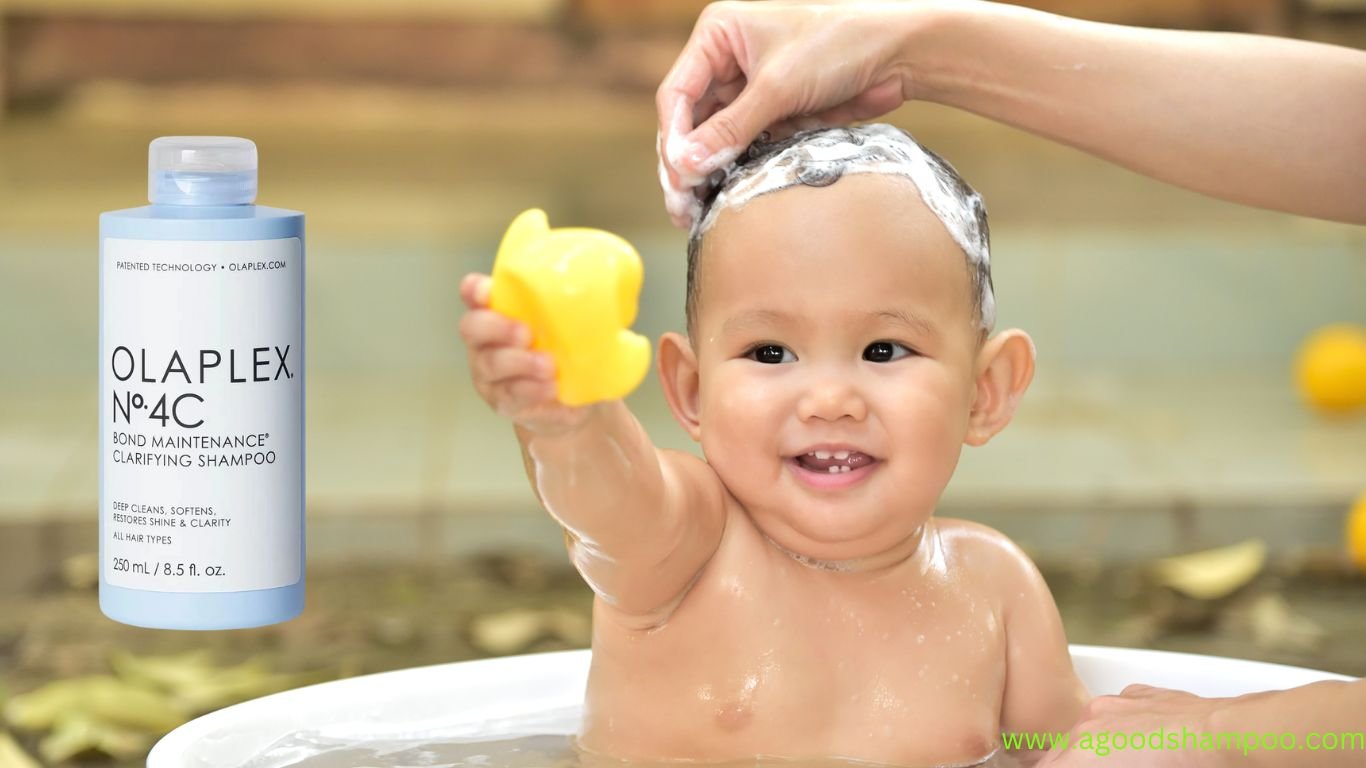
Let’s be honest baby shampoo sounds harmless. The name alone feels gentle, safe, and almost too pure to mess up your hair. That’s exactly why so many people reach for it when they want a “simple” deep cleanse. But here’s the catch: not everything that’s mild is good at cleaning, and not everything that’s gentle is meant for your scalp.
So, is baby shampoo actually a good clarifying shampoo for all hair types?
Not really and here’s why.
What Baby Shampoo Is Made To Do
Baby shampoos are formulated for newborns and toddlers. That means two main priorities for the chemists behind them:
- No-tears formulation low in surfactants and adjusted to a neutral pH to avoid stinging eyes.
- Minimal irritation free from harsh detergents, fragrances, and common allergens.
Typical baby shampoos use amphoteric surfactants like cocamidopropyl betaine instead of the stronger anionic surfactants (like sodium lauryl sulfate) found in clarifying shampoos. These ingredients lift dirt gently, but they’re not powerful enough to remove heavy buildup, oils, or silicones.
That’s great news for babies. But for adults using styling products, heat protectants, or dry shampoo this “gentle” approach just won’t cut it.
What Clarifying Shampoo Is Designed For
Clarifying shampoos are the opposite they’re built for deep cleaning. Their formulas include higher levels of cleansing agents that break down layers of product residue, oil, minerals from hard water, and environmental pollutants.
The difference is simple:
- Baby shampoo = mild daily cleanser for sensitive skin.
- Clarifying shampoo = occasional detox treatment for buildup and excess oil.
You can think of it like comparing a gentle face wash to a deep exfoliator. You wouldn’t scrub your face daily with an acid peel, and you wouldn’t expect micellar water to dissolve sunscreen and waterproof mascara. Each product has its lane.
Can You Use Baby Shampoo as a Clarifying Shampoo?
You can but it won’t really clarify in the truest sense.
If your hair is naturally fine, doesn’t see much product, and you just want to remove light oil, baby shampoo can do a light rinse. It’ll clean surface grime but won’t reach down into the buildup sitting around your cuticle layer.
For anyone who uses leave-ins, conditioners, serums, or silicones it’s too weak. You’ll likely end up washing twice, and still feel a waxy film near your roots.
Quick Fact:
In lab testing, most baby shampoos show a cleansing efficiency around 40–50% of a standard clarifying shampoo. That’s half the cleaning power.
Why pH Balance Matters
Here’s where the science kicks in.
Healthy scalp and hair have a slightly acidic pH, around 4.5 to 5.5. Clarifying shampoos are usually closer to 7 or 8, temporarily raising the cuticle layer so buildup can rinse away. Baby shampoos are balanced closer to neutral often 6.5 to 7 to reduce tears and irritation.
That neutral pH may feel nice on sensitive skin, but it also means baby shampoo doesn’t lift the cuticle enough to truly remove debris or product film.
Over time, using something too mild can actually cause buildup, dullness, and even itchiness because oils and residues stick around.
Is Baby Shampoo Good for All Hair Types?
Let’s break it down by type.
Oily Hair
Baby shampoo won’t cut through excess sebum effectively. It may clean at first, but oil will return within hours because the formula doesn’t fully degrease the scalp.
Dry or Curly Hair
It’s less stripping, yes but not moisturizing either. Most baby shampoos don’t contain conditioning agents, so curls may feel frizzy or squeaky-clean after use. Not ideal for texture retention.
Color-Treated Hair
Here’s a surprise: baby shampoo isn’t always color-safe. The higher water content and neutral pH can make color fade faster, especially reds and pastels. Clarifying shampoos are already risky for colored hair, but baby shampoo isn’t the safe middle ground people think.
Fine or Thin Hair
It may feel limp because mild surfactants don’t remove enough residue. That residue weighs strands down and reduces volume.
Coarse or Damaged Hair
It may feel rough or unmanageable, since baby shampoos lack emollients and pH buffers for damaged cuticles.
Bottom line: There’s no single hair type that truly thrives on baby shampoo long term.
What Research Says
Studies published in the Journal of Cosmetic Science show that mild amphoteric surfactants like those found in baby shampoos perform best on scalp cleansing, not hair shaft detoxification. In contrast, clarifying shampoos containing sodium laureth sulfate or disodium laureth sulfosuccinate remove up to 80–90% of product residue in one wash.
Another 2021 consumer survey by Healthline Beauty Lab found that 67% of users who switched from baby shampoo to a clarifying shampoo noticed less scalp itch and visible residue within two weeks.
What Are the Disadvantages of Using Baby Shampoo as an Adult?
Let’s be clear it’s safe, but not ideal. Here’s why:
- Not enough cleansing strength – you’ll likely overuse it, leading to water exposure damage over time.
- Can cause buildup – mild surfactants can leave behind traces of conditioner, oil, or silicone.
- Color fading – neutral pH levels can make color wash out faster.
- Frizz and tangling – lack of conditioning agents can leave hair static-prone.
- Scalp imbalance – not exfoliating enough can lead to flakes or oil rebound.
So while it’s technically gentle, it’s not efficient and your scalp’s microbiome thrives on balance, not baby formulas.
When Baby Shampoo Can Be Useful
There are niche cases where baby shampoo makes sense:
- After a keratin treatment, when you need something gentle, sulfate-free, and pH-neutral.
- For people with eczema or scalp psoriasis, if regular clarifiers cause irritation.
- As a lash cleanser, makeup brush cleaner, or mild body wash seriously, it works beautifully there.
But for deep-clean hair care? Use a real clarifying shampoo.
https://www.youtube.com/watch?v=dPJoeFNqcpg
What’s the Best Clarifying Shampoo Instead?
Look for one that balances strength and safety.
Here’s what a smart clarifying shampoo includes:
- Chelating agents like EDTA or citric acid (remove minerals)
- Anionic surfactants like sodium laureth sulfate (deep cleanse)
- Balancing acids (apple cider vinegar or lactic acid)
- Moisture buffers (aloe vera, panthenol, or glycerin)
Use it once every 7–10 days if you have normal to oily hair, and once every 2–3 weeks for dry or curly hair. Always follow up with a hydrating conditioner or lightweight hair mask.
Ingredient Breakdown Comparison
| Feature | Baby Shampoo | Clarifying Shampoo |
|---|---|---|
| pH Level | ~6.5–7 (Neutral) | ~7–8 (Alkaline) |
| Main Surfactant | Amphoteric (Cocamidopropyl Betaine) | Anionic (Sodium Laureth Sulfate) |
| Cleansing Strength | Mild | Strong |
| Scalp Sensitivity | Very gentle | May cause dryness if overused |
| Residue Removal | Light | Deep |
| Ideal Frequency | Daily or every other day | Once a week or biweekly |
Quick Tip from a Chemist
If you’re curious whether your shampoo is clarifying, look at the first two ingredients after water. If they’re words like sodium laureth sulfate or ammonium lauryl sulfate, it’s a clarifier. If you see cocamidopropyl betaine or disodium cocoamphodiacetate that’s a gentle daily cleanser.
It’s not about the brand, it’s about chemistry.
The Real Takeaway
Baby shampoo is safe. It’s mild. It’s sweetly nostalgic.
But it’s not designed to remove buildup, excess oil, or silicone layers from modern haircare routines.
If your goal is true scalp and strand detox, you’ll need something built for the job. Use baby shampoo for babies, delicate scalps, or temporary sensitivity but when your hair feels coated or dull, go for a proper clarifying formula.
Final Thoughts
Your shampoo should match your lifestyle, not your nostalgia.
If you use styling products, color, or heat tools, baby shampoo simply isn’t enough. It’ll clean just enough to make you think your hair’s “fine,” but not enough to let your natural shine and volume show through.
Save baby shampoo for your makeup brushes or as a gentle post-surgery cleanser. For your hair, choose clarity with purpose.

Michael Chen combines scientific expertise with hair care industry insights to offer well-researched product evaluations and tips for optimal hair health.